
Upgrade From Class C to Class A: The Power of High-End Office Furniture
Suppose your office space is functional yet drab, uninspiring, and a canvas of untapped potential.


Gramercy Park is where you land when you want a real Manhattan address and prewar bones, but you have no interest in bleeding out $120 a foot for a glass lobby the way the AI money is doing two blocks west on Park Avenue South. It’s the quiet corner of Midtown South, which happens to be one of the tightest, most expensive office markets in the country right now, and Gramercy manages to sit inside all that noise without making much of its own.
Part of what throws people is that Gramercy barely behaves like an office market. There’s a locked, two-acre park at the middle of it that only the neighbors hold keys to, one of just two private parks left in the city, and the commercial space plays by the same quiet, low-key rules. There isn’t a lot of it, most of it is tucked inside boutique prewar buildings you’d walk right past, and the tenants who sign here tend to stay put for ten or fifteen years.
What you’re actually buying is high ceilings, real windows, and a genuinely calm block five minutes from the Union Square trains, with neighbors that run from Con Edison to a floor of dentists to the wealth managers who like keeping a short cab ride from their clients on Park Avenue. That’s the whole pitch, and it’s the reason there’s still value on these streets if you know which ones to walk.
The short story of where Gramercy is going: the character space nobody was fighting over five years ago is exactly what everybody wants now. Midtown South just booked its best first quarter of leasing since 2019, 3.0 million square feet, and availability tightened to 17.5%, down almost four points on the year, with absorption running positive right through the spring (CBRE and Newmark, 2026). Gramercy has been quietly pulled along with it.
The bigger backdrop is a Manhattan market that has turned. Availability across the borough dropped to 13.0%, the lowest it’s been since October 2020, and free rent slipped to 12.4 months, the leanest since 2019 (Colliers, Q2 2026). Whatever leverage tenants were enjoying two years ago is mostly gone, though it’s bleeding away slower in a boutique pocket like this than it is on the trophy blocks.
Anybody who quotes you one number for Gramercy is guessing, and the flat $60 to $70 a foot the current page throws out is a good example of how that goes wrong. Real Gramercy rent runs from Class C walk-ups off Third Avenue in the low $50s up to renovated loft near Park Avenue South in the $90s, and you can find both within a few blocks of each other.
The anchors are easier to pin down than the pockets. Midtown South, the parent market, averaged $84.77 a foot at 17.5% availability in the latest read (CBRE, May 2026), and the combined Flatiron/Gramercy submarket came in a shade tighter, near 12.4% availability against an $83.23 average (Avison Young, 1Q26). Everything under that splits block by block, and because no brokerage publishes a clean Gramercy-only figure, the bands in the table below are ours (Metro Manhattan internal research, July 2026).
Which is a long way of saying the real question was never what Gramercy costs. It’s whether you actually need to be on the Park Avenue South edge, paying for a seat near the AI money, or whether the loft core and the medical blocks a few streets east give you the same working day for meaningfully less. Either way, run your headcount through our office space calculator before you tour, so you’re chasing the right amount of space instead of the nicest lobby.
| Gramercy Pocket | Class A Profile | Class B / C Coverage | Availability | Typical SF | Tier |
|---|---|---|---|---|---|
| Park Ave South edge (20th to 23rd) | Renovated loft, $80 to $95+ | Limited | ~10 to 14% | 2,500 to 20,000 | Premium |
| Gramercy Park & Irving Place | Boutique A, $70 to $90 | Some Class B | ~11 to 15% | 1,500 to 10,000 | Boutique |
| Loft core (E 20th to 23rd, Park Ave S to Lex) | Repositioned B, $65 to $80 | Deep Class B, $55 to $75 | ~13 to 17% | 1,000 to 15,000 | Value |
| Third Ave & medical corridor (east) | Limited A | Class B/C and walk-up, $50 to $68 | ~18 to 21% | 500 to 8,000 | Value |
| Midtown South (context) | $84.77 district average | 17.5% availability | 17.5% | Varies | Mixed |
Gramercy pocket bands are Metro Manhattan internal research (July 2026), anchored to Midtown South district figures from CBRE (May 2026) and the combined Flatiron/Gramercy submarket from Avison Young (1Q26). No approved brokerage publishes a clean Gramercy-only average, so treat any single Gramercy number, including ours, as a starting point for touring, not a quote. Rents are asking rents, before concessions.
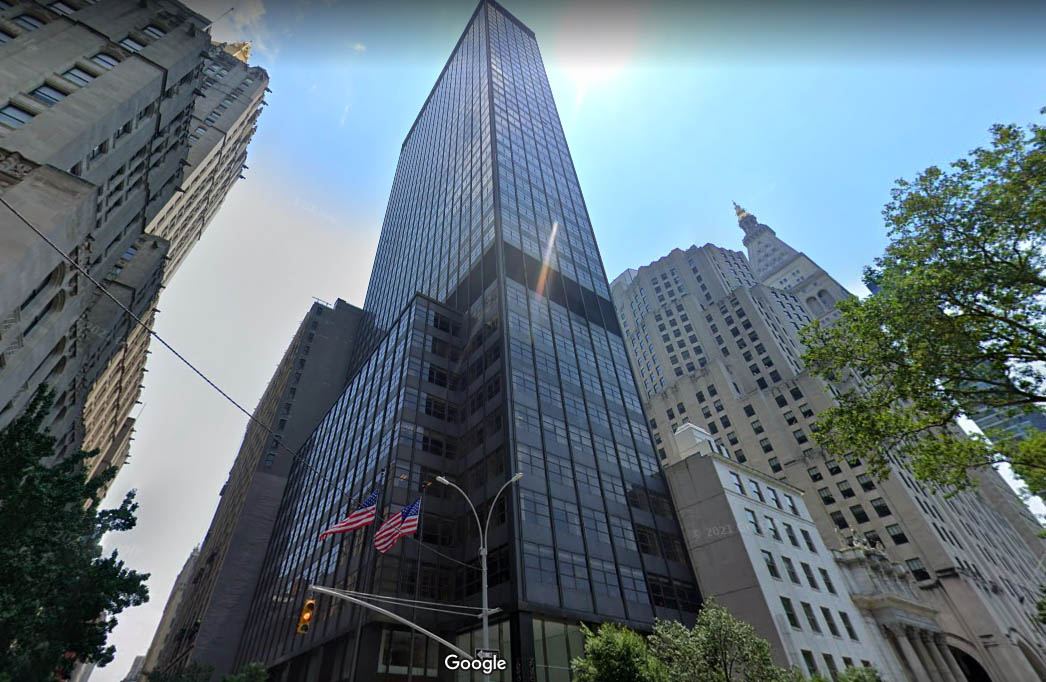
The priciest slice of Gramercy isn’t really Gramercy at all, it’s the tail end of the hottest office market in Manhattan. Along the western border, from about 20th up to 23rd, the neighborhood bleeds into Park Avenue South, where AI and fintech shops have been signing at $90 to $120 a foot and the rebuilt towers are leasing down to the last floor (Commercial Observer, 2026).
What you pay for over here is the address and the company you keep, plus renovated loft with the kind of ceilings and light those AI flagships insist on. If you’re hiring against Park Avenue South salaries, or you want to be within a block of the fintech names, this is the spot. Just come ready to move, because the good floors here don’t sit around waiting for a committee.
This is the part of the neighborhood people actually mean when they say Gramercy, and for a lot of tenants it’s the whole reason they’re looking here. The streets around the park and down Irving Place toward 14th are quiet, low, and residential enough that you forget you’re in Manhattan, with Con Edison’s old campus at 4 Irving Place holding down the southern end. An address on these blocks reads established without having to say so.
The floors run small, in brownstone-scale buildings where a fifteen-person shop gets its own elevator landing and, if it’s lucky, a slice of the park out the window. It’s a natural fit for law firms, wealth managers, family offices, and the kind of consultancy that cares more about a discreet, client-ready setting than a wide-open plan. You don’t come to Gramercy Park for 40,000 contiguous feet. You come for the right 4,000.
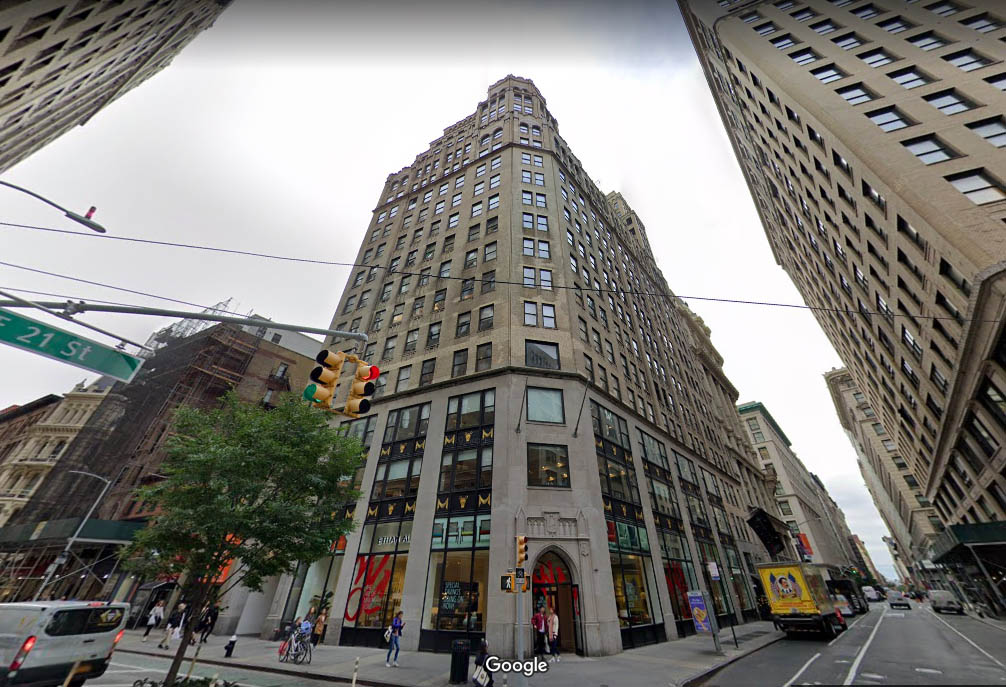
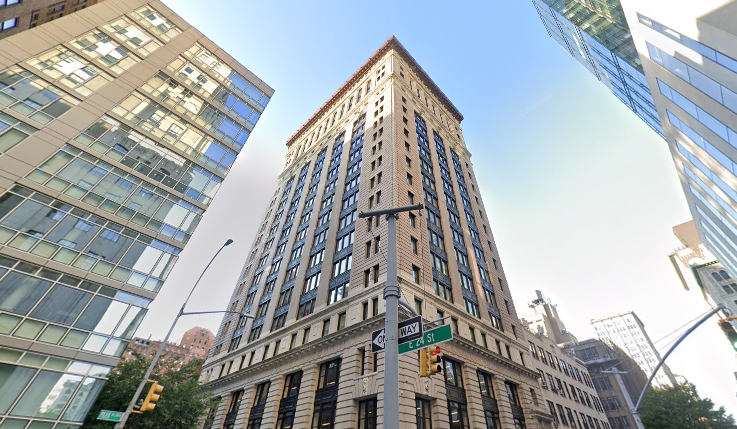
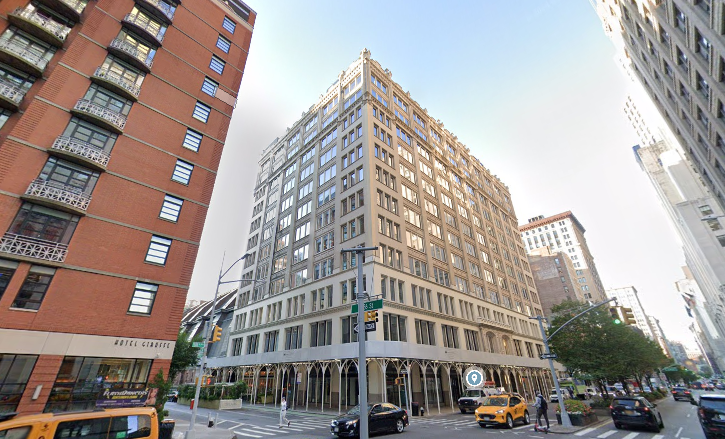
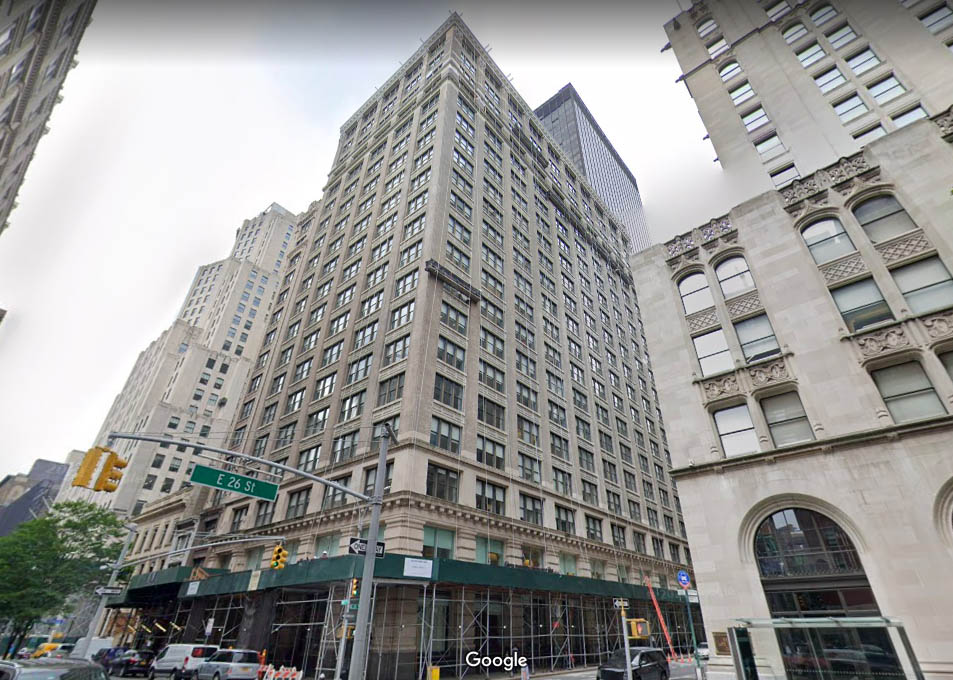
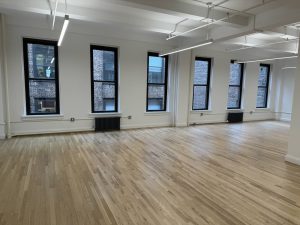
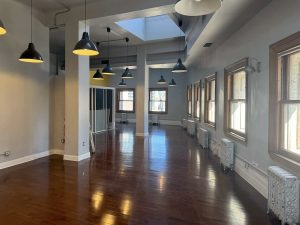
If a lease gets signed in Gramercy, odds are it happens here. The thickest run of prewar loft sits along East 20th through 23rd between Park Avenue South and Lexington, in workhorse buildings like 215 Park Avenue South, a 20-story, 338,000-foot Class B loft from 1910 that stays around 90 percent full. You get the whole prewar package, tall windows, high ceilings, wood floors, without paying the West Chelsea markup for it.
Class B loft used to be the easy money-saver in Gramercy, and that reputation has aged, because Midtown South Class B rents hit record highs in late 2025 (Lee & Associates, Q4 2025). The deal is still there, it’s just moved: these days it lives in the free rent and the build-out money more than the face rate. Plenty of these floors read like real loft space the second you walk in, which is exactly why they keep pulling tenants who’d otherwise be paying more for the same thing over in SoHo.
If you’re watching every fixed dollar, or you run a practice that needs real plumbing and ventilation, the eastern blocks toward Third Avenue are where Gramercy quietly keeps its value. Space loosens up as you head east, out to around 20 percent availability along the Third Avenue corridor (Colliers, Q2 2026), and that slack is leverage the tighter blocks to the west simply won’t hand you.
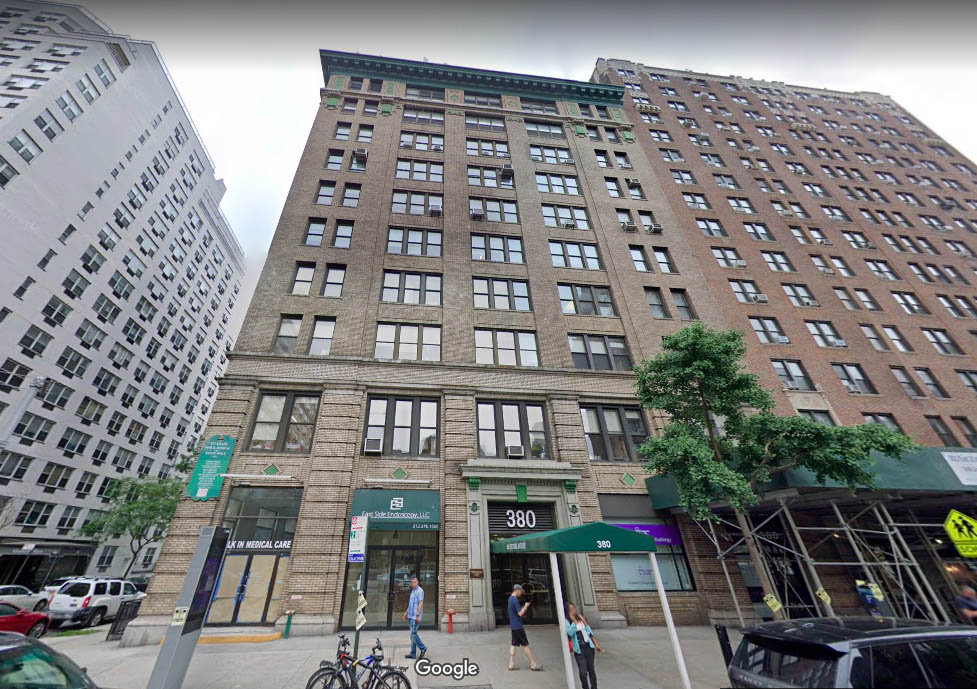
What drives these streets is medicine. You’re a short walk from NYU Langone and Bellevue over on First Avenue, and the landlords out here have built floors plumbed and wired for practices, the kind of space that’s genuinely scarce in the glossier submarkets. It’s home to medical and healthcare practices, solo operators, and young firms that would rather spend on people than on a marble lobby. Nobody publishes a clean Class C number for Gramercy, so treat any figure you’re quoted as a rough guess (Metro Manhattan internal research, July 2026); out here, an hour walking the building teaches you more than any average will.
Concessions are where Gramercy tenants leave the most money on the table, almost always because they burn all their energy fighting over the asking rent and treat the free months and the build-out check as details to sort out later. Those two lines move your actual cost far more than the face number ever will. The market’s tightened and the packages aren’t what they were two years ago, but off the Park Avenue South edge there’s still real room to push, and the further east you go, the more of it there is.
On a typical five- or ten-year term, recent Gramercy-area deals have landed roughly here, with shorter terms pulling the concessions down and longer ones pushing them up:
| Building class | Free rent (typical) | TI allowance (typical) | Notes |
|---|---|---|---|
| Park Avenue South edge | 8 to 12 months free | $80 to $120/SF | The thinnest package in the neighborhood, but still worth negotiating. |
| Gramercy Park and Irving Place boutique | 10 to 14 months free | $60 to $90/SF | Prestige space that still comes with some give. |
| Class B loft core | 12 to 16 months free | $50 to $80/SF | Prebuilt suites are common, and a 10-year term is your leverage. |
| Third Avenue and medical / Class C | 12 to 16 months free | $35 to $65/SF | Often already built out, and medical floors may come plumbed. |
Concession ranges are typical-market figures from Metro Manhattan broker data (July 2026), and they vary by credit, term, and building. For reference, Manhattan's H1 2026 average free-rent period fell to 12.4 months and average TI allowance was about $140/SF (Colliers, Q2 2026).
The trick is to stop staring at the face rent and start doing the effective-rent math, what you actually pay once the free months are spread across the whole term, because that figure almost always lands well under the sticker; our breakdown of rising landlord concessions shows how it works. Treat the build-out check as worth only what it costs to build, settle who pays for the build-out up front, and pin down a lease term that fits before anyone starts trading dollars.
Two more line items decide the rest of a deal in a market this boutique. Budget your security deposit for what the private landlords who own most of Gramercy will actually ask, which usually runs higher for a newer company, and read up on the Good Guy Guarantee before you sign, since it can cap what you’re personally on the hook for and shrink that deposit at the same time. Our take on the savvy approach to lease clauses covers the rest of what’s worth fighting for.
Gramercy has never leaned on a single industry, but strip it down and it’s a medical, legal, and financial neighborhood with a creative streak threaded through it. Tenants here cluster by type instead of scattering, so odds are your clients, your referral sources, and the firms you work alongside are already parked on a particular set of blocks. Match your business to the right pocket and half the search answers itself. The table below lays out where each type tends to land.
| Industry | Best-Fit Gramercy Pocket | Class Fit | Example Buildings |
|---|---|---|---|
| Medical / Healthcare | Third Avenue corridor, side streets | Class B / C | 8 Gramercy Park South, Third Ave loft |
| Law Firms (boutique) | Gramercy Park, Park Ave South edge | Boutique A / B loft | 215 Park Ave South, Park Ave South |
| Financial / Wealth Mgmt | Gramercy Park, Irving Place | Boutique A / B | Gramercy Park blocks, Park Ave South |
| Tech / AI / SaaS | Park Avenue South edge | Class A / B loft | Park Ave South, 215 Park Ave South |
| Consulting / Prof. Services | Loft core, Park Ave South edge | Class B loft | East 20th to 23rd Streets |
| Creative / Media | Loft core, Lexington | Class B loft | 192 Lexington Ave, loft floors |
| Startups / Small Biz (<20) | Loft core, Third Ave | Class B / C | 215 Park Ave South (Industrious), side streets |
Industry and class fits are Metro Manhattan internal research (July 2026). Vertical landing pages: Startup & Tech Space, Financial Services, Law Firm Offices, Medical Offices, Retail / Stores. Building and industry examples reflect publicly reported tenancy and recent leases; illustrative, not exhaustive.
A couple of things the table can’t quite capture are worth saying out loud. A startup or small team hunting for office space gets the most for its money in the loft core and the Third Avenue blocks, the same value that earns Gramercy a mention on our shortlist of the best Manhattan neighborhoods for small businesses. If you’ve outgrown a coworking desk and are eyeing your first real lease, our guide to moving from coworking to your own office covers that jump. Should the medical blocks not quite fit, with the lower rents of the Financial District starting to look better than a boutique Gramercy floor, that’s a fair trade worth pricing before you decide.
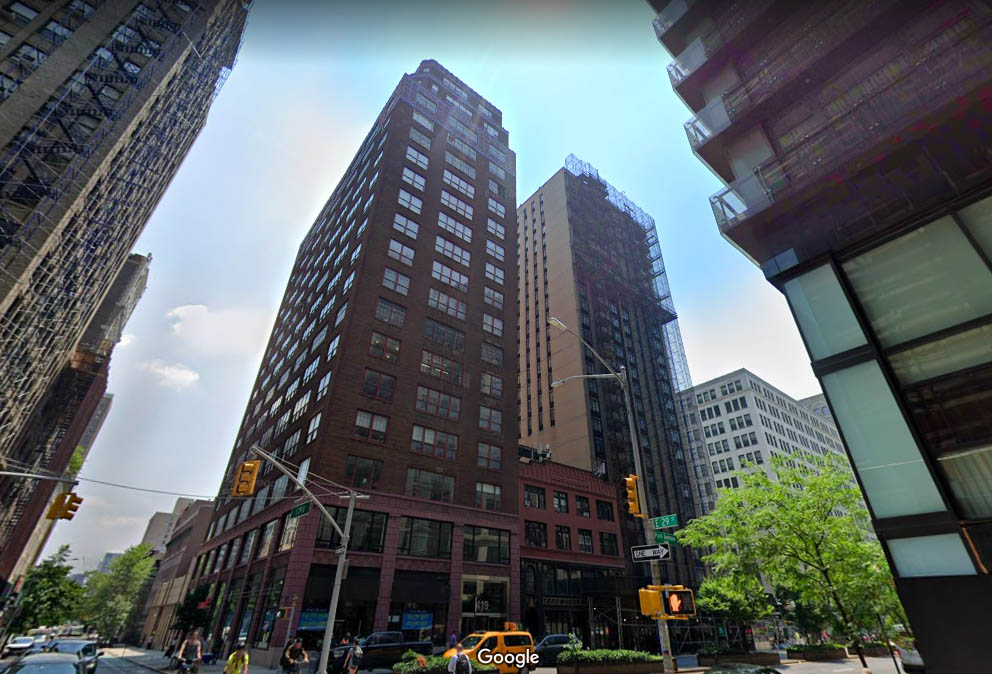
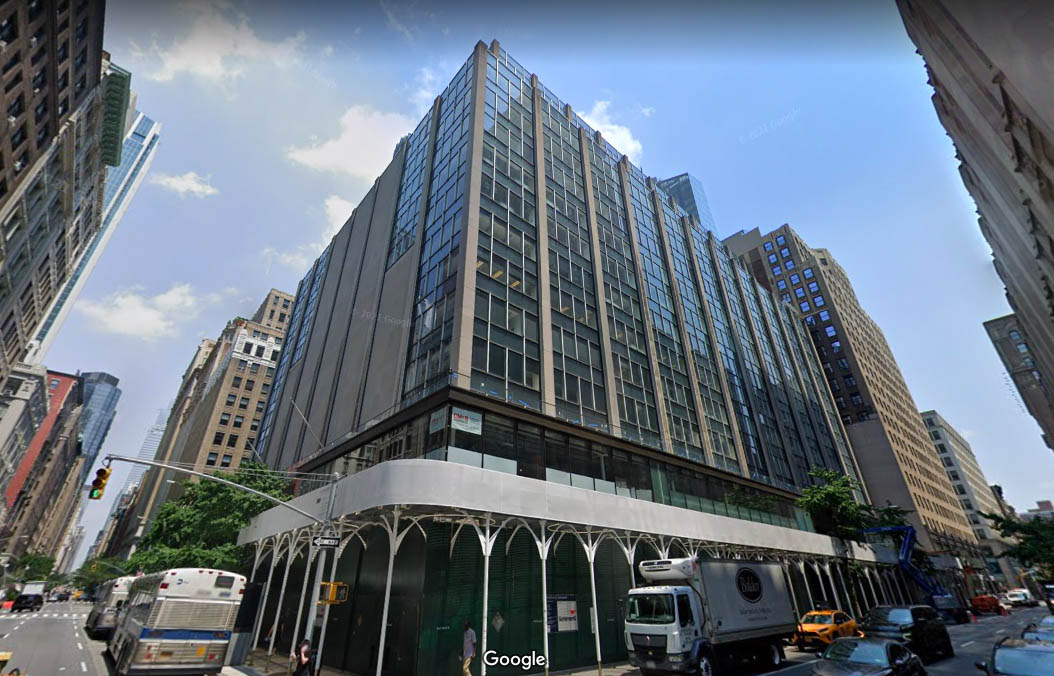
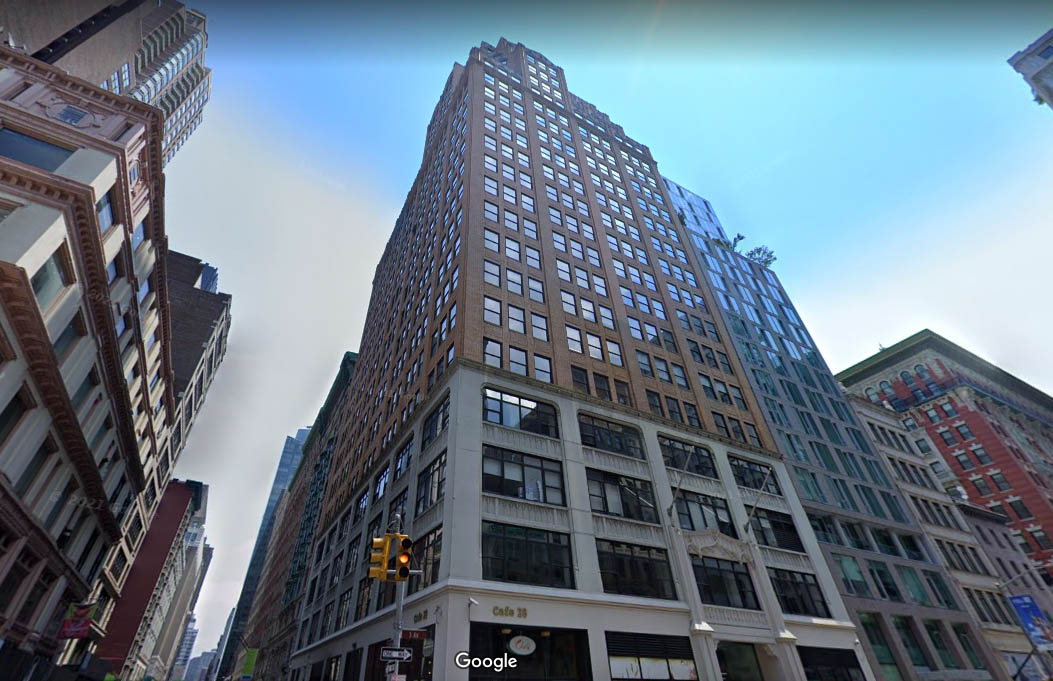
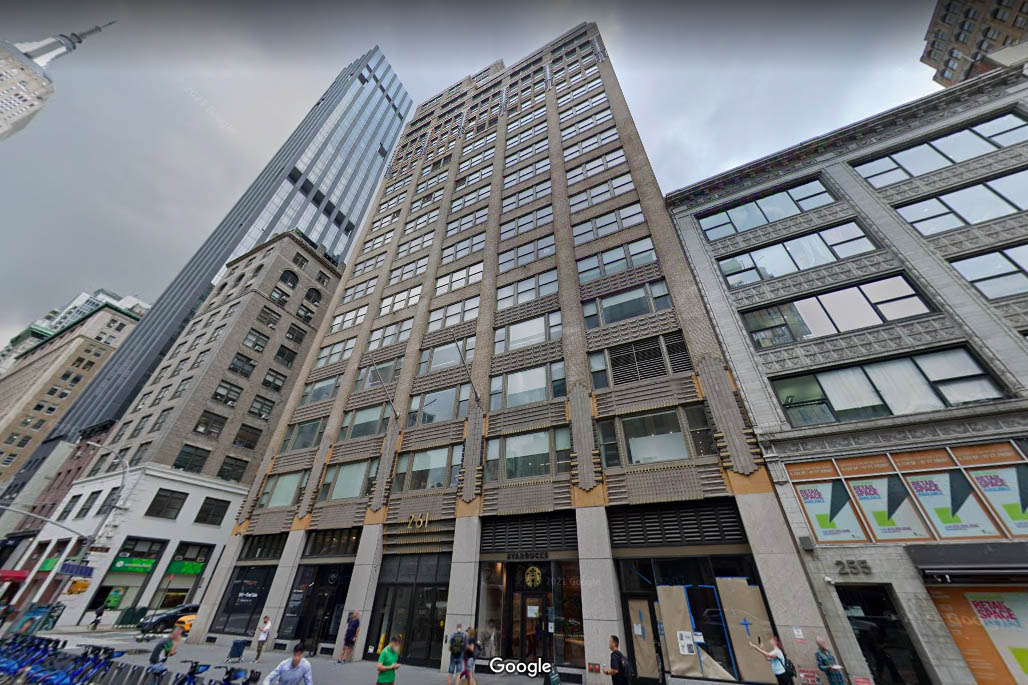
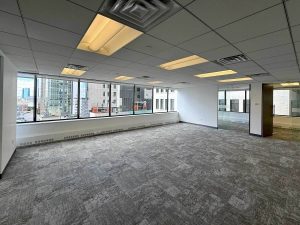
If your mental picture of Gramercy is nothing but brownstones and doctors’ shingles, the office stock will surprise you. It’s mostly boutique prewar loft and mid-rise, most of it put up between 1900 and 1930, and a good share of it has been quietly renovated in the last few years. It sorts, roughly, into three tiers.
Ground-floor retail and store space along Third Avenue, Park Avenue South, and Lexington moves on its own logic and can carry a very different rent from the offices above it. See all Gramercy buildings or filter active listings by size and price.
It pays to know who owns Gramercy before you tour, and the honest picture is that this is a market of boutique and family owners far more than mega-REITs. SL Green manages the bigger Park Avenue South assets, including 215 Park Avenue South, which Philips International owns, but once you get past a handful of institutional names, most of the neighborhood sits with long-hold private landlords who know their buildings down to the riser.
That’s not a small detail. Whether an owner will fund your build-out or hold the line on the last dollar is the thing that quietly decides how good your deal turns out, and sorting the reasonable owners from the difficult ones is most of what a broker who actually works these blocks is paid for. Our rundown of the biggest commercial real estate landlords in NYC maps the wider field.
| Landlord | Notable Gramercy-Area Properties | Approx. Footprint | Typical Lease Profile |
|---|---|---|---|
| SL Green Realty | Manages 215 Park Avenue South; Park Avenue South holdings | Manhattan's largest office landlord | 5,000+ SF, institutional |
| Philips International | 215 Park Avenue South (owner) | Boutique NYC owner-operator | 1,000 to 50,000 SF |
| Con Edison (owner-occupier) | 4 Irving Place campus | Owner-occupied HQ | Owner-occupier |
| Private / boutique owners | Prewar loft on E 20th to 23rd, Lexington, Third Ave | Small, single-asset holdings | 500 to 7,500 SF, flexible |
Portfolio figures are approximate and limited to Gramercy and adjacent holdings (Metro Manhattan internal research, July 2026). Beyond these owners, much of Gramercy's loft stock sits with private and boutique landlords rather than large REITs, which is part of why deal terms vary so much block to block. Ownership and management change, so confirm at lease time.
A few dozen Gramercy-area offices are on the market at any given time, from sub-1,000 SF suites to full loft floors.
Transit is one of the genuine reasons to sign a lease on these blocks. Gramercy wraps the top of Union Square, one of the busiest interchanges in the city, which puts the 4, 5, 6, L, N, Q, R, and W within a few blocks of most addresses, with the 6 running up Lexington and the 23rd Street stations covering the northern edge. For most teams that adds up to a one-seat ride from large parts of Brooklyn, Queens, and New Jersey. Rather than let commute times turn into a running argument once everyone’s on board, it’s worth checking real home addresses against our commute calculator before you commit.
| From | To Gramercy (23rd St / Union Sq) | Mode |
|---|---|---|
| Hoboken, NJ | 20 to 30 min | PATH to 14th or 23rd Street |
| Jersey City (Exchange Place) | 20 to 30 min | PATH to 14th Street |
| Williamsburg, Brooklyn | 15 to 25 min | L to Union Square |
| Downtown Brooklyn | 20 to 30 min | 4 or 5 to Union Square |
| Long Island City, Queens | 20 to 30 min | 7 to Grand Central, then 6 down |
| Grand Central (Midtown) | 8 to 12 min | 6 to 23rd or 28th Street |
| Newark, NJ | 30 to 40 min | PATH to 14th Street |
Gramercy runs a wide range, from Class C off Third Avenue in the low $50s per foot to renovated loft near Park Avenue South in the $90s. As a benchmark, its parent market, Midtown South, averaged $84.77/SF in the most recent read (CBRE, May 2026), and the combined Flatiron/Gramercy submarket ran about 12.4% availability with an $83.23 average (Avison Young, 1Q26). Your number depends on the pocket, the building, and the build-out.
Usually, yes, outside the Park Avenue South edge. The Midtown South district average was $84.77/SF in the most recent read (CBRE, May 2026), lifted by trophy loft and the AI boom on Park Avenue South. Gramercy’s boutique prewar stock generally prices below that, and the Third Avenue blocks to the east are more affordable still.
It’s a medical, legal, and financial district first, with a boutique creative streak. Healthcare practices, law firms, wealth managers and family offices, consultancies, and smaller tech and creative teams lead, along with a growing spillover of AI and fintech tenants on the Park Avenue South edge. The small floor plates and quiet, prestigious address suit boutique and mid-size tenants more than large-block occupiers.
Yes, and it’s one of the neighborhood’s specialties. The blocks near Third Avenue sit a short walk from the NYU Langone and Bellevue corridor along First Avenue, and several buildings offer plumbing-ready medical floors built for a practice rather than a standard office. It’s one of the more reliable pockets in Manhattan for move-in-ready medical space.
Gramercy tracks with the combined Flatiron/Gramercy submarket, which sat at roughly 12.4% availability in early 2026 (Avison Young, 1Q26), while the Third Avenue corridor on the eastern edge ran looser at about 20% (Colliers, Q2 2026). Manhattan overall fell to 13.0% in Q2 2026, its lowest since October 2020. The blocks near the park and Park Avenue South run tighter than the headline suggests.
Small tenants usually find the best value in the Class B and C loft core off the East 20s and along Third Avenue, in buildings like 215 Park Avenue South and the smaller full-floor lofts nearby. Many landlords now offer prebuilt spec suites with furniture and cabling so you can move in fast, often on flexible three- to five-year terms.
Mostly smaller and mid-size floors, typically from a few hundred square feet up to full floors in the 5,000 to 15,000 square foot range. Large contiguous blocks are rare, because zoning limits commercial development and most buildings are prewar and boutique in scale.
Still meaningful, but shrinking. Manhattan free rent averaged 12.4 months in the first half of 2026, the lowest since 2019, with TI allowances near $140/SF (Colliers, Q2 2026). On a Class B Gramercy loft you can typically negotiate several months of free rent plus a solid TI package, especially on a longer term and especially east toward Third Avenue. The effective-rent math is where the real savings hide.
In a boutique loft market like Gramercy, the letter grade bends. A rebuilt 1910 loft can technically be Class B and still out-rent a newer building, because tenants pay for light, ceiling height, and location, not the grade. Class A here mostly means the renovated Park Avenue South edge; Class B is the loft core; Class C is the side-street and Third Avenue walk-ups.
It depends on what you’re after. Flatiron and Park Avenue South are the louder, pricier, AI-heavy blocks, while Gramercy is the calmer, generally more affordable neighbor with more medical and boutique space. If you need the trophy address or the AI-corridor talent pool, head west; if you want the neighborhood and the commute without the trophy bill, Gramercy wins.
Accessibility Tools