

6 Commercial Lease Negotiation Mistakes to Avoid
As a business owner or entrepreneur, you may find negotiating the ideal commercial lease for your new office space intimidating.



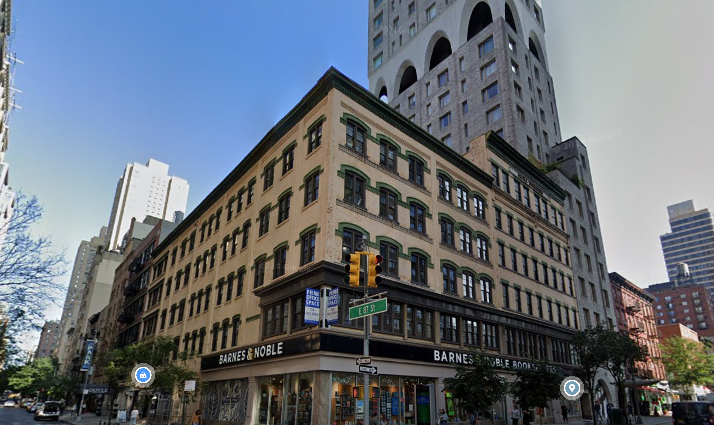
Nobody built the Upper East Side for offices. It’s a residential neighborhood with five hospital systems bolted onto its eastern edge, so the space you can lease got squeezed into the leftovers: prewar towers on Madison, converted mansions off Park, medical suites near the campuses.
Available space asks about $53.76 a foot (CoStar, July 8, 2026). Manhattan’s average is $78.03 (Colliers, Q2 2026). For a firm whose clients already live on these blocks, that’s twenty-five dollars a foot saved and a commute that’s a walk.
Price isn’t the hard part up here. Finding anything is. Most deals close under 5,000 feet, there’s essentially no sublease market to raid (Metro Manhattan, Class A Office Rents by Neighborhood, August 2025), and cheap medical floors keep getting bought or gut-renovated out of existence.
Tenants who start early get the good floors. Everybody else takes what’s left.
The biggest players up here don’t rent. They buy. That one habit explains more about this market than any rent figure, and it’s the reason leasable inventory across Uptown Manhattan keeps getting thinner.
Manhattan’s having its best run in twenty years. Tenants signed 22.8 million feet in the first half of 2026, availability fell to 13.0%, the lowest since October 2020, and asking rents hit $78.03, up 5.7% on the year (Colliers, Q2 2026; The Real Deal).
None of that demand is coming for the Upper East Side. What’s changing up here is supply, and it only moves one direction.
Ask five brokers what it costs and you’ll get five numbers, all of them defensible. A boutique floor in the low 60s asks $90. A suite over a bank branch on East 86th asks $45. Both quotes are real, and they’re eighteen blocks apart.
CoStar’s weighted average for available space says $53.76 (July 8, 2026). Check the fine print, though. That geography runs 65th to 110th Street, so it picks up cheap blocks above 96th and skips the expensive ones below 65th.
Listing services that only count buildings over 50,000 feet say $62 to $88 (CommercialCafe, 2026). Both numbers are honest. They’re just counting different buildings.
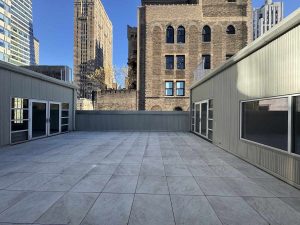
Metro Manhattan’s own listings land in between, and they’re probably the truest read available. A full floor at 801 Madison works out to roughly $75 a foot. A gallery floor at 43 East 67th runs $78. A terraced office at 60 East 66th comes in at $58.
Figure out how much room you need before touring anything. The office space calculator takes two minutes, and up here the gap between 1,800 feet and 3,000 feet is the gap between three options and a dozen.
| Area | Class A Profile | Class B / C Coverage | Availability | Typical SF for New Leases | Tier |
|---|---|---|---|---|---|
| Lower Sixties (59th to 65th) | Boutique Class A, $70 to $95 | Renovated Class B, $55 to $70 | ~12 to 16% | 1,500 to 20,000 SF | Class A |
| Madison Avenue spine (60s to 80s) | Limited; much of it owner-occupied | Gallery and Class B floors, $60 to $85 | ~8 to 12% | 1,000 to 10,000 SF | Class A / B |
| Lenox Hill / Park side streets | Very limited | Townhouse and Class B, $50 to $70 | ~10 to 14% | 800 to 6,000 SF | Class B |
| Hospital row (York / First) | New medical, $100 to $125 | Older medical suites, $45 to $70 | ~5 to 10% | 1,500 to 20,000 SF | Medical / A |
| Carnegie Hill / Yorkville / 86th St | Almost none | Class B and C, $40 to $60 | ~12 to 18% | 500 to 5,000 SF | Value |
| Upper East Side average (context) | $53.76 weighted average, all available space | n/a | n/a | Varies | Mixed |
The $53.76 weighted average is CoStar's read of available space on July 8, 2026, covering 65th to 110th Street between Fifth Avenue and the East River, which is wider than the Upper East Side proper. The $100 to $125 medical band is Extell's published asking range at 1520 First Avenue (Bisnow, January 2026). Everything else, including area profiles, availability ranges, and the $40 to $95 rent bands, is Metro Manhattan internal research (July 2026). The approved firms don't publish Upper East Side breakouts. Asking rents, before concessions.
Real Class A means a short list of towers between 59th and 65th, where the neighborhood runs into Midtown. Good floors ask $70 to $95. That stings until you price Park Avenue, where the average ask crossed $119 this spring.
Family offices, boutique investment shops, and lawyers who bill by relationship fill most of it. A nice lobby isn’t a class, though, and the difference shows up in the operating costs, so read what makes a building Class A, B, or C before the first tour.
One caveat on the marquee address. 750 Lexington, the 386,000-foot tower at 59th known as 1 International Plaza, hit a foreclosure auction in January 2026 with a $162 million minimum bid. Nobody bid. It went back to the lender (The Real Deal, January 2026).
That’s not automatically bad news. Lenders want occupancy and will write terms an owner won’t. Just get the ownership question answered in writing before spending money on legal fees.
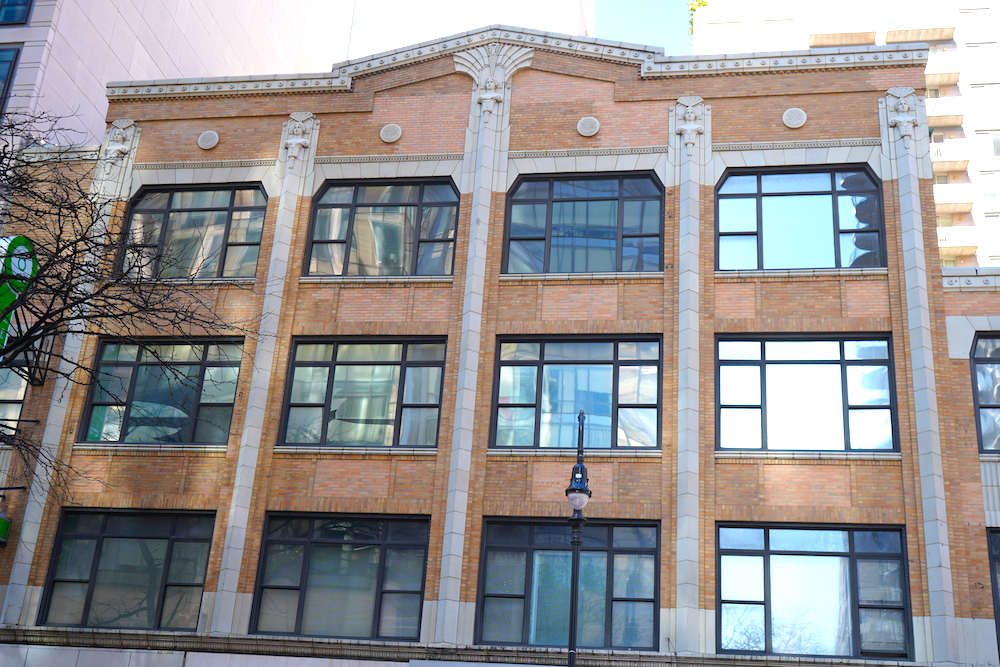
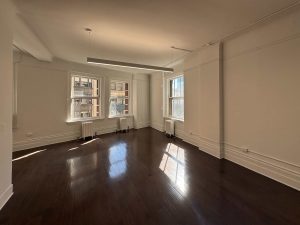
Strip out the towers and the institutions and you’re looking at the real market: prewar Class B and converted mansions, 800 to 6,000 feet, $50 to $70 on the good blocks. Plaster, moldings, tall windows, and an elevator older than your business.
Plenty of these floors feel like loft space once you’re inside. They just come with a residential front door instead of a freight entrance, which suits a therapist or a consulate a lot better than a lobby full of turnstiles.
Two buildings on the same block will quote numbers thirty percent apart, depending on how long the space has sat and how the landlord reads your credit. A lot of these owners are families, not REITs. They care who you are.
So tour them yourself, and don’t trust the average.
Along 86th Street and up through Yorkville and Carnegie Hill, floors run $40 to $60 and sit right on top of the 4, 5, 6 and the Q. Neighborhood dentists, tutoring outfits, accountants, small nonprofits, and therapy practices sign most of those leases.
Give up the Madison address and keep about twenty dollars a foot. On 2,500 feet that’s fifty grand a year. For a practice whose patients live within ten blocks, it isn’t a close call.
157 East 86th Street and the Agora Building at 1556 Third have been running this play for decades.
Check the electrical and HVAC before signing, though. A lot of this stock got wired for a different century, and nobody publishes a clean Class C average up here, so treat any single precise figure with suspicion.
This is the best medical market in New York City, and it isn’t close. Medical tenants signed 5.4 million feet across Manhattan between 2018 and 2024, and the Upper East Side beat every other submarket for patient care (CBRE). Uptown medical vacancy runs near 4% (JLL via Crain’s).
The campuses explain it. Weill Cornell, NewYork-Presbyterian, Memorial Sloan Kettering, Hospital for Special Surgery, and Lenox Hill all sit within a mile of each other, holding close to 19.5 million feet across sixty buildings that average twenty-plus years old (Newmark).
Referrals follow geography. So do leases.
Pricing splits hard. Built-out Class A medical runs $75 to $110. Older Class B suites go for $45 to $65. The new tower floors at 1520 First ask $125.
If patients pay out of pocket and the work is procedure-based, the top tier makes sense. Insurance-based primary care shouldn’t go near it, and should be shopping the older stock hard instead.
That older stock keeps shrinking, though. Manhattan owners pulled 2.1 million feet off the market for conversions last year (Colliers), a lot of it the exact tired discounted space that used to court medical tenants.
Free rent across Manhattan averaged 12.4 months in the first half of 2026, thinnest since 2019, with improvement money flat near $140 a foot (Colliers, Q2 2026). The concessions breakdown runs the math on what that does to effective rent.
Expect less than that up here, and it isn’t personal. No sublease pool means no pressure on direct rents, the buildings are small, and a landlord with four floors can’t hand out eighteen months free. Time and flexibility are what’s winnable.
Recent deals on a five or ten-year term have looked roughly like this, with shorter terms earning less and longer terms earning more:
| Building class | Free rent (typical) | TI allowance (typical) | Notes |
|---|---|---|---|
| Boutique Class A, Lower Sixties and Madison | 6 to 10 months free | TI $70 to $110/SF | Thinnest package in the neighborhood, because good floors don't sit long. |
| Class B and townhouse floors | 8 to 14 months free | TI $45 to $80/SF | Where the negotiating actually happens, and where a ten-year term is real leverage. |
| Value floors, 86th Street and Yorkville | 10 to 15 months free | TI $35 to $65/SF | Usually already built out, so you're trading customization for speed. |
| New medical at 1520 First Avenue | Case by case on long terms | Clinical build-outs run $250 to $500+ a foot | The allowance conversation matters more than the free rent one. |
Concession ranges are typical-market figures from Metro Manhattan broker data (July 2026), and they move with credit, term, building, and landlord. Manhattan's H1 2026 average was 12.4 months free with TI near $140/SF (Colliers, Q2 2026).
Settle the build-out question before anyone talks numbers, because an allowance is only worth what it builds. Pick the term honestly, and the guide to three, five, and ten-year leases lays out the tradeoffs.
Then read the clauses that quietly cost money, which this piece on lease clauses covers in detail.
One thing catches small tenants up here constantly. Boutique landlords lean hard on personal guarantees, so know how the Good Guy Guarantee works and what a reasonable security deposit looks like before somebody slides four months across the table.
This is a doctor-and-family-office town. Medicine owns the east side of the neighborhood, money and art own the west side, and the rest fills in around them: consulates, foundations, boutique law, design practices, and businesses that serve one of the wealthiest residential populations in the country.
The corridor usually picks the tenant up here, not the other way around. Find your row and the search shrinks before you tour anything.
| Industry | Best-Fit Areas | Class Fit | Example Buildings |
|---|---|---|---|
| Medical & Dental Practices | Hospital row, 86th Street, Yorkville | Medical / Class B | 1520 First Avenue, 1556 Third Avenue (Agora), 157 East 86th Street |
| Procedure-Based & Concierge Medicine (derm, plastics, cosmetic dentistry) | Hospital row, Madison side streets | New medical / Class A | 1520 First Avenue tower floors, Madison and Park side-street suites |
| Family Offices, Wealth Management & Boutique Finance | Lower Sixties, Madison spine | Class A boutique | 645 Madison Avenue, 654 Madison Avenue, 30 East 60th Street |
| Law Firms (trusts & estates, matrimonial, boutique corporate) | Lower Sixties, Lenox Hill | Class A / B | 30 East 60th Street, 750 Lexington Avenue, Park Avenue side streets |
| Art Galleries, Dealers, Advisors & Appraisers | Madison spine, Lenox Hill | Class B / gallery | 980 Madison Avenue, 43 East 67th Street, 801 Madison Avenue |
| Foundations, Philanthropy & Cultural Nonprofits | Madison spine, Fifth Avenue, Lenox Hill | Class A / B | 980 Madison Avenue, Museum Mile townhouse floors |
| Consulates, Missions & International NGOs | Lenox Hill, Park and Fifth in the 60s and 70s | Class B / townhouse | Converted mansions east of Fifth, Park Avenue side streets |
| Interior Design, Architecture & Showrooms | Madison spine, Third Avenue | Class B / showroom | 801 Madison Avenue, Third Avenue showroom floors |
| Education, Tutoring & Test Prep | 86th Street corridor, Carnegie Hill | Class B / C | 157 East 86th Street, Carnegie Hill side streets |
| Accounting, Insurance & Small Professional Services | Yorkville, 86th Street, Third Avenue | Class B / C | 1556 Third Avenue, 157 East 86th Street |
| Therapists, Wellness & Allied Health | Lenox Hill, Yorkville | Class B / townhouse | 60 East 66th Street, East 70s townhouse suites |
| Coworking & Flex | Lower Sixties, 86th Street | Class A / B | 750 Lexington Avenue, 86th Street corridor |
| Retail, Gallery & Showroom (ground floor) | Madison 60s to 80s, 86th Street, Third Avenue | Ground-floor | Madison Avenue blockfronts, 86th Street retail, 801 Madison Avenue |
Vertical landing pages: Medical & Healthcare Offices, Financial Services Offices, Law Firm Offices, Startup & Tech Space, Retail/Stores, Commercial Office Space for Rent. Industry and class fits are Metro Manhattan internal research (July 2026).
Small team? This works better than the zip code suggests. Value floors north of 79th and townhouse suites in the 60s and 70s put a serious address within reach of five people, which is how it landed on the list of best NYC neighborhoods for small businesses.
Coming out of a shared desk? Read scaling from coworking to your own office first, because flex options up here are thin and the jump usually comes sooner than people plan for.
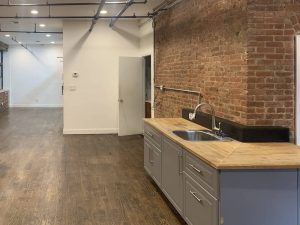
Want exposed brick and an open floor instead? That’s a Midtown South conversation. Start in Chelsea or SoHo, not here.
Nobody’s pitching amenity floors and golf simulators up here. The pitch is Central Park across the street, Museum Mile out the door, the best restaurants above 59th, and a client base that already lives within twenty blocks of the desk. Three tiers, roughly.
Boutique Class A, Lower Sixties and Madison and Park: attended lobbies, modern systems, park views up high, and floor plates small enough that a 6,000-foot tenant takes the whole floor and gets its name in the elevator.
Prewar Class B and townhouse, Lenox Hill and the side streets: high ceilings, real windows, restored lobbies, wood and plaster, and a front door that looks residential. Slower elevators and older mechanicals come with it.
Medical and value, hospital row and 86th Street: purpose-built clinical space at one end, honest and inexpensive floors at the other, most of them two minutes from the Lexington line.
Browse all Manhattan buildings or filter live listings by size and price.
Ownership matters more here than anywhere else in Manhattan, because there are two completely different kinds of landlord and they behave nothing alike. Guess wrong and you’ll burn a month chasing space that was never coming to market.
Institutions own the best buildings and sit in them. Weill Cornell at 1334 York. Bloomberg at 980 Madison. Sotheby’s at 945 Madison. Northwell across the Lenox Hill campus. None of that’s coming back.
Everything else belongs to families and single-asset owners who’ve held the same prewar building for three generations. They move slower, take it personally, and bend on terms in ways a REIT never would, as long as they like you.
Knowing which is which pays for itself. The rundown of the biggest landlords in NYC covers the wider field.
| Owner | Notable Upper East Side Holdings | Approx. Footprint | What They Actually Lease |
|---|---|---|---|
| Weill Cornell Medicine / NewYork-Presbyterian | 1334 York Avenue, the York Avenue campus in the East 60s and 70s | 420,000 SF at 1334 York, plus campus | Institutional; effectively nothing on the open market |
| Memorial Sloan Kettering | Campus buildings across the East 60s and 70s | Institutional | Owner-occupied |
| Northwell Health (Lenox Hill Hospital) | East 77th Street campus, Manhattan Eye, Ear & Throat on East 64th, planned Third Avenue outpatient center | Institutional | Owner-occupied and expanding |
| Extell Development | 1520 First Avenue | 425,000 SF | Medical, roughly 6,000 SF and up |
| Bloomberg Philanthropies | 980 Madison Avenue | ~134,000 SF | Owner-occupied; ground-floor gallery space |
| Sotheby's | 945 Madison Avenue (the Breuer Building) | ~85,000 SF | Owner-occupied |
| Lender-controlled (post-foreclosure) | 750 Lexington Avenue | ~386,000 SF | Class A, 2,000 SF and up; ownership in transition |
| Private families and single-asset owners | Most of the Madison, Park, Lexington, Third and 86th Street stock | Typically under 150,000 SF each | Class B and C, 500 SF and up |
Footprints are approximate and limited to Upper East Side holdings. Ownership and management change, and 750 Lexington in particular is in transition after the January 2026 auction, so confirm the owner at lease time. Metro Manhattan internal research (July 2026).
One neighborhood-wide item belongs in your diligence. Northwell’s $2 billion rebuild of Lenox Hill Hospital on East 77th won City Council approval in August 2025 at a trimmed 370-foot height, and neighbors sued in December 2025 to kill it (Crain’s). Construction runs about eight years.
Looking at space within a few blocks of 77th between Park and Lexington? Price that in. Eight years of jackhammers costs a practice real money with patients in the waiting room, and it’s real leverage on rent if you can live with it.
Transit up here is good and one-dimensional. Everything runs north and south, nothing reaches a commuter rail station, and the crosstown trip is the one that’ll cost you. Settle it early with the commute calculator and everybody’s real home address.
The Second Avenue Subway changed more than it gets credit for. Since January 2017 the Q has run local under Second with stops at 72nd, 86th, and 96th, which pulled real pressure off the Lexington line and made the far east blocks leasable again.
| From | To the Upper East Side | Mode |
|---|---|---|
| Grand Central / Midtown East | 8 to 14 min | 4, 5, or 6 up the Lexington line |
| Plaza District / 57th Street | 5 to 12 min | N, R, W or F to 59th, or a walk from the low 60s |
| Roosevelt Island | 5 to 10 min | F to Lexington-63rd, or the tram to 59th and Second |
| Long Island City, Queens | 20 to 30 min | F to Lexington-63rd, or 7 plus the 4, 5, 6 |
| Astoria, Queens | 25 to 35 min | N or W to 59th, then the 4, 5, 6 or Q |
| Harlem (125th Street) | 10 to 18 min | 4, 5, 6 down the Lexington line |
| Financial District | 25 to 35 min | 4 or 5 express down the Lexington line |
| Downtown Brooklyn | 35 to 45 min | 4 or 5 express, no transfer |
| Hoboken / Jersey City | 40 to 50 min | PATH to 33rd, then the 6 or Q |
| Scarsdale / lower Westchester | 50 to 65 min | Metro-North to Grand Central, then the 4, 5, 6 |
| Hicksville, NY (Long Island) | 60 to 75 min | LIRR to Grand Central Madison, then the 4, 5, 6 |
Available space averaged $53.76 a foot in early July 2026 (CoStar), against $78.03 across Manhattan. The range behind that is wide. Boutique Class A in the Lower Sixties asks $70 to $95, prewar and townhouse floors run $50 to $70, value floors near 86th Street run $40 to $60, and new medical tops out at $125.
Because it was never built as an office district. The stock is small, older, and mostly under 150,000 feet per building, so it can’t serve the big corporate tenants who bid Midtown rents up. You’re paying for a residential neighborhood with an office market attached, rather than the reverse.
Barely any, and essentially no Class A sublease inventory at all (Metro Manhattan, August 2025). Most Manhattan submarkets hand you a discounted second market to shop. This one doesn’t, which is a big part of why direct rents hold so steady. If a sublet is the plan, look at Midtown or Downtown.
Depends entirely on the specialty and the payer mix. Procedure-based and concierge practices are the target at 1520 First Avenue, where ambulatory floors ask from $100 and tower floors ask $125. Insurance-based practices generally do better in older stock along Third Avenue and 86th Street at $45 to $70.
It’s the best medical market in the city. Medical tenants signed 5.4 million feet across Manhattan between 2018 and 2024 and this neighborhood led every submarket for patient care (CBRE), with uptown medical vacancy near 4% (JLL). Five hospital systems sit within a mile, and referral patterns follow geography.
Nobody publishes a clean submarket number, so be skeptical when someone quotes you one. The working read is 8% to 12% along the Madison spine and the medical blocks, and 12% to 18% in value buildings north of 79th (Metro Manhattan internal research, July 2026). Manhattan overall sat at 13.0% in Q2 2026 (Colliers).
A small professional practice can, comfortably. Suites of 500 to 3,000 feet in Yorkville, Carnegie Hill, and along 86th Street run $40 to $60, which beats most of Midtown. A venture-backed tech team will do better in Midtown South, where the floor plates, the talent pool, and the loft stock all line up.
Less than the citywide average, for a structural reason. Manhattan free rent averaged 12.4 months in the first half of 2026 with TI near $140 a foot (Colliers), but small private landlords here can’t write those checks. Figure 6 to 10 months free on boutique Class A and 8 to 14 on Class B.
Two groups that behave nothing alike. Institutions own the marquee buildings and occupy them: Weill Cornell at 1334 York, Bloomberg Philanthropies at 980 Madison, Sotheby’s at 945 Madison, Northwell across the Lenox Hill campus. The rest sits with private families and single-asset owners who’ve held the same building for decades.
The 4, 5, and 6 run the length of Lexington Avenue, stopping at 59th, 68th, 77th, 86th, and 96th. The Q runs under Second Avenue at 72nd, 86th, and 96th, and the F reaches Queens via 63rd Street. There’s no commuter rail, so suburban riders transfer at Grand Central.
If the space is within a few blocks of East 77th between Park and Lexington, yes. Northwell’s $2 billion rebuild was approved in August 2025, neighbors sued in December 2025, and the build runs about eight years. That noise costs a client-facing practice real money, and it’s real leverage on rent if you can live with it.
More than almost anywhere in Manhattan. Half the good space never gets listed publicly, because small private owners lease by relationship and phone call instead of by marketing campaign. The landlord pays the commission, so it costs a tenant effectively nothing, and it opens the space that never hits the listing sites.
Accessibility Tools