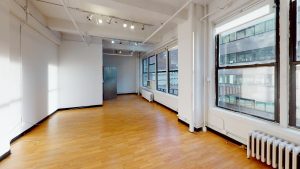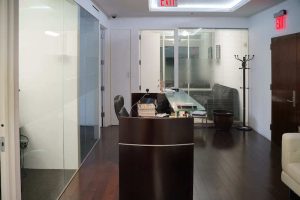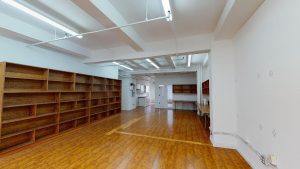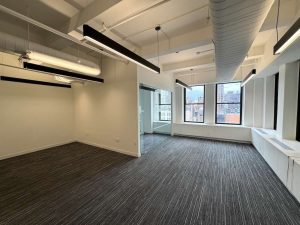
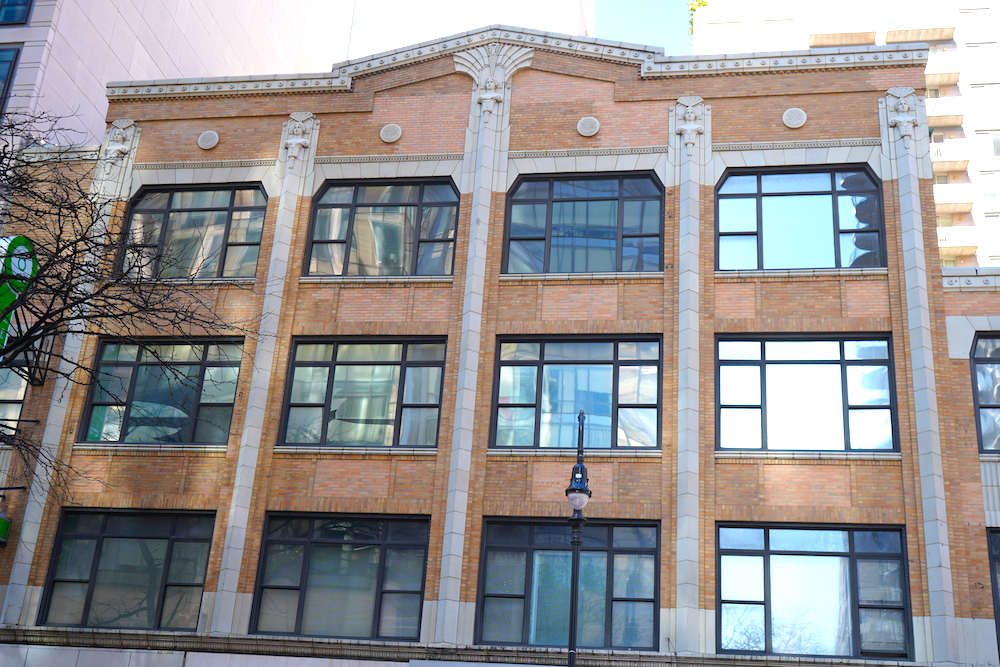
You've seen the rents and you're hunting for the catch. There is one, and it has nothing to do with the n...
Learn more about Harlem


Uptown is small. Roughly 3 to 4 million SF across the Upper East Side, Upper West Side, Harlem, and Washington Heights. Midtown is about 60 times that size. What Uptown actually is: boutique buildings, medical practices near the hospital systems, family offices on the UES, academic and creative tenants near Columbia and Lincoln Center, and a growing 125th Street corridor. Want a 5,000 SF office near your hospital or your apartment? This is your market. Want a 50,000 SF trophy floor? Look south.
Manhattan-wide Q1 2026 was strong. 11.78M SF leased, the best first quarter since 2014. Availability tightened to 13.7%, the eighth straight quarter holding or tightening. Asking rents up 2.0% to $77.55/SF (Colliers, Q1 2026). Approved firms don’t publish Uptown-specific numbers, so what follows leans on Metro Manhattan internal research (May 2026), calibrated to those Manhattan-wide figures.
Four submarkets, four different conversations. UES: medical, boutique finance, family offices, diplomatic. UWS: creative, academic, professional services, with Columbia and Lincoln Center driving the energy. Harlem: 125th Street corridor, cultural, healthcare, startups, small business. Washington Heights: medical, full stop, anchored by Columbia and NewYork-Presbyterian.
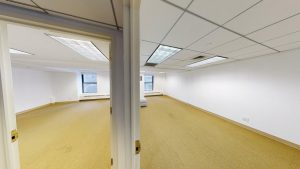
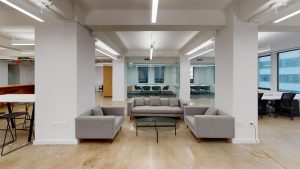
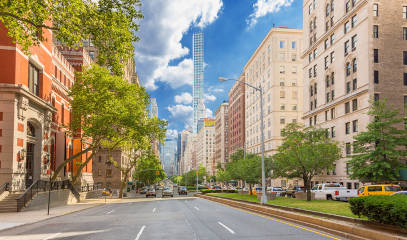
If you’ve been touring Midtown or Hudson Yards, Uptown feels different. Smaller floor plates. Prewar bones. No trophy office. The market works for small and mid-sized tenants who want a residential-feeling location instead of a corporate one. Quick refresher on the class system here.
On the macro: Manhattan leasing hit 11.78M SF in Q1 2026, the best Q1 since 2014 (Colliers, Q1 2026 Manhattan Office Market Report, April 8, 2026). Availability tightened to 13.7%, the eighth straight quarter of holding or tightening. Uptown is quietly tightening too, even though broker reports don’t break it out.
Depends entirely on which Uptown. The UES commands the highest aggregate rents (boutique Class A near Central Park, Lenox Hill, Madison, Park). UWS runs cheaper. Harlem and Washington Heights anchor the value end of the entire Manhattan market.
Approved brokerages don’t publish Uptown-specific reports, so anyone quoting a single “Uptown rent” is making it up. Table A ranges are Metro Manhattan internal research (May 2026), from deals we actually work on. Sizing up before you tour? Run your headcount through our Office Space Calculator.
| Submarket | Class A $/SF | Class B $/SF | Class C $/SF | Typical Lease Size | Tier |
|---|---|---|---|---|---|
| Upper East Side | $70 to $88 | $55 to $70 | N/A | 1,000 to 8,000 SF | Class A boutique |
| Upper West Side | $55 to $68 | $45 to $58 | N/A | 1,000 to 10,000 SF | Class A and B |
| Harlem | $48 to $60 | $38 to $48 | $30 to $40 | 1,000 to 15,000 SF | Value |
| Washington Heights | Limited inventory | $35 to $48 | $28 to $38 | 800 to 8,000 SF | Value |
All Uptown pricing ranges are Metro Manhattan internal research (May 2026). Approved firms (Colliers, CBRE, JLL, Newmark, Cushman & Wakefield, Savills, Avison Young, Transwestern, Marcus & Millichap, CoStar Group) publish Manhattan-wide and Midtown / Midtown South / Downtown submarket data but do not publish Uptown-specific quarterly office reports. N/A entries reflect submarkets where the relevant building class is not present in meaningful supply. Refresh from Metro Manhattan listing data and recent transactions quarterly.
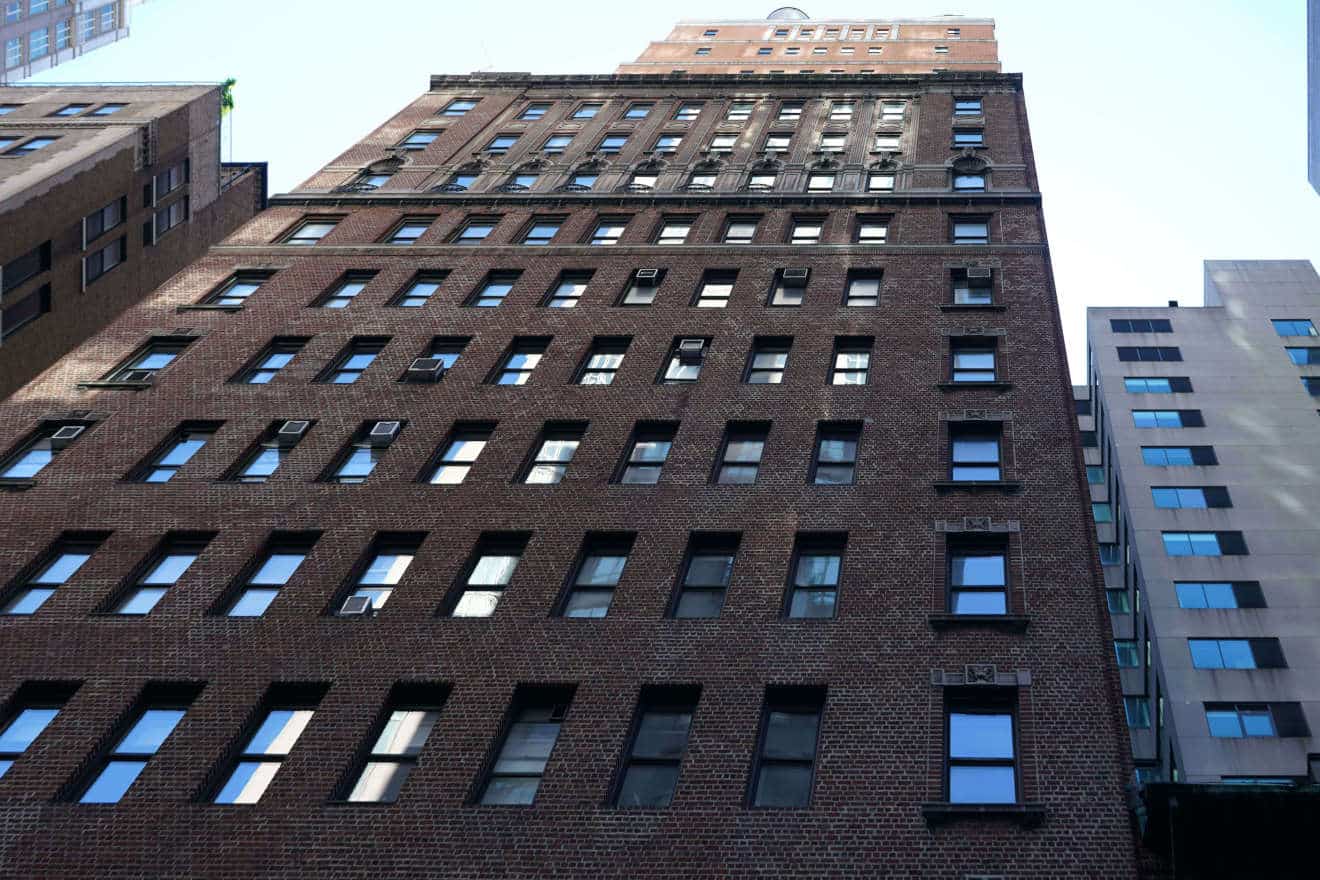
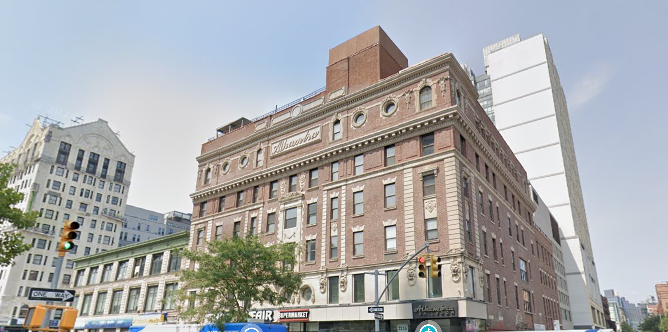
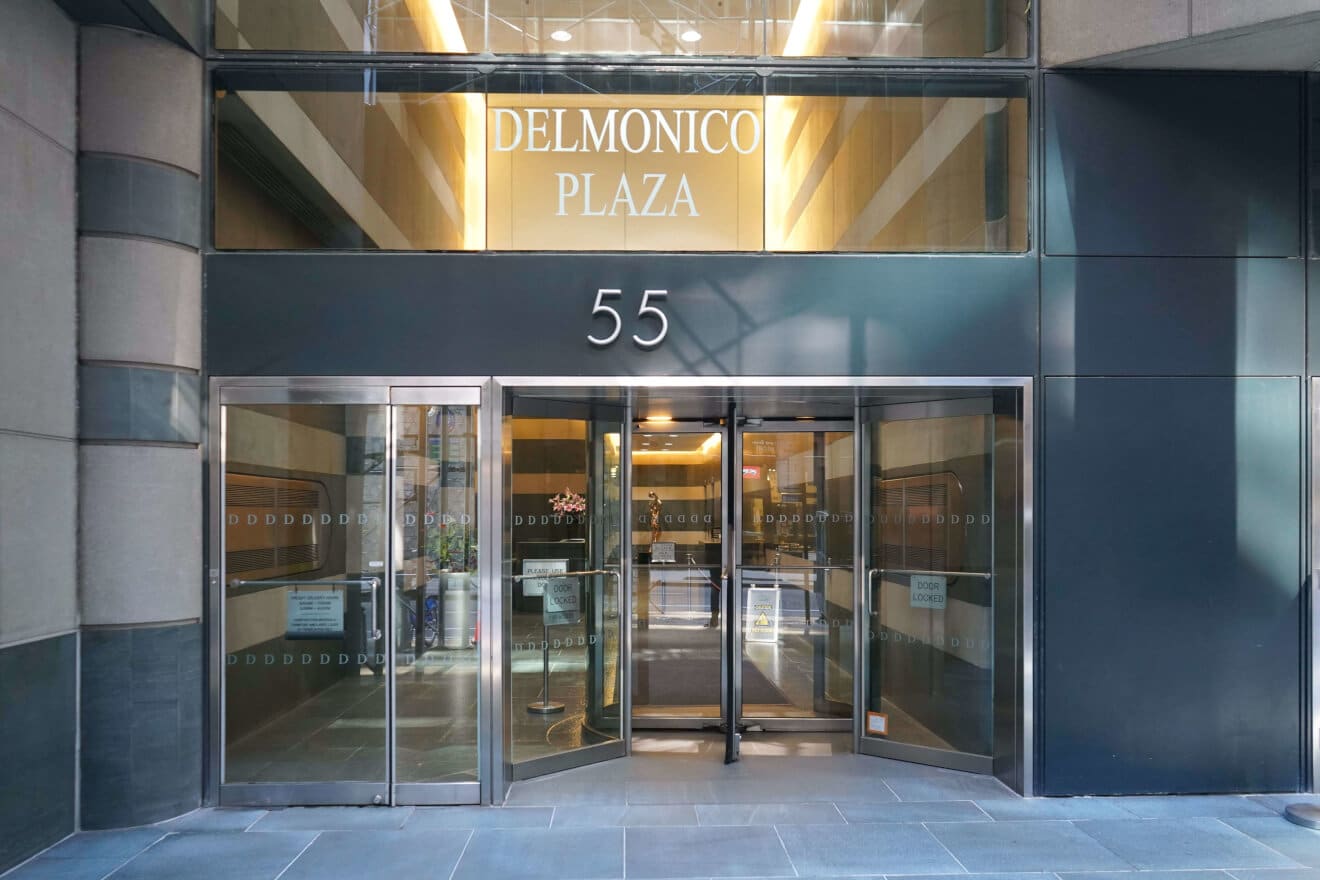
Class A: $70 to $88/SF (Metro Manhattan internal research, May 2026). Top of the range: Madison and Park from 59th to 79th in Lenox Hill. Class A boutique near Central Park hits the ceiling. Yorkville and Carnegie Hill come in a notch lower at $62 to $75/SF. Worth knowing: 30 East 60th Street and 55 East 59th Street (Delmonico Plaza).
Class B: $55 to $70/SF. Side streets in Yorkville and Third Avenue in the upper 70s and 80s. Look at 157 East 86th Street and 1556 Third Avenue (Agora Building). Both run deep medical and professional tenancy.
Class C? Essentially gone. Prewar walk-ups have been renovated or converted to residential (Metro Manhattan internal research, May 2026). If a broker says they have UES Class C, ask to see it.
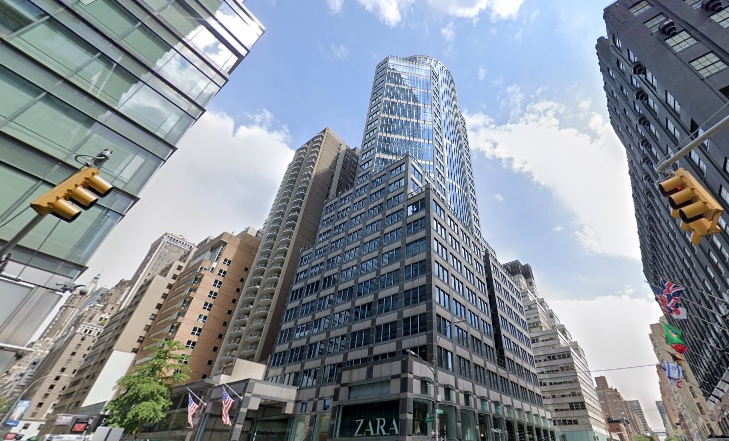
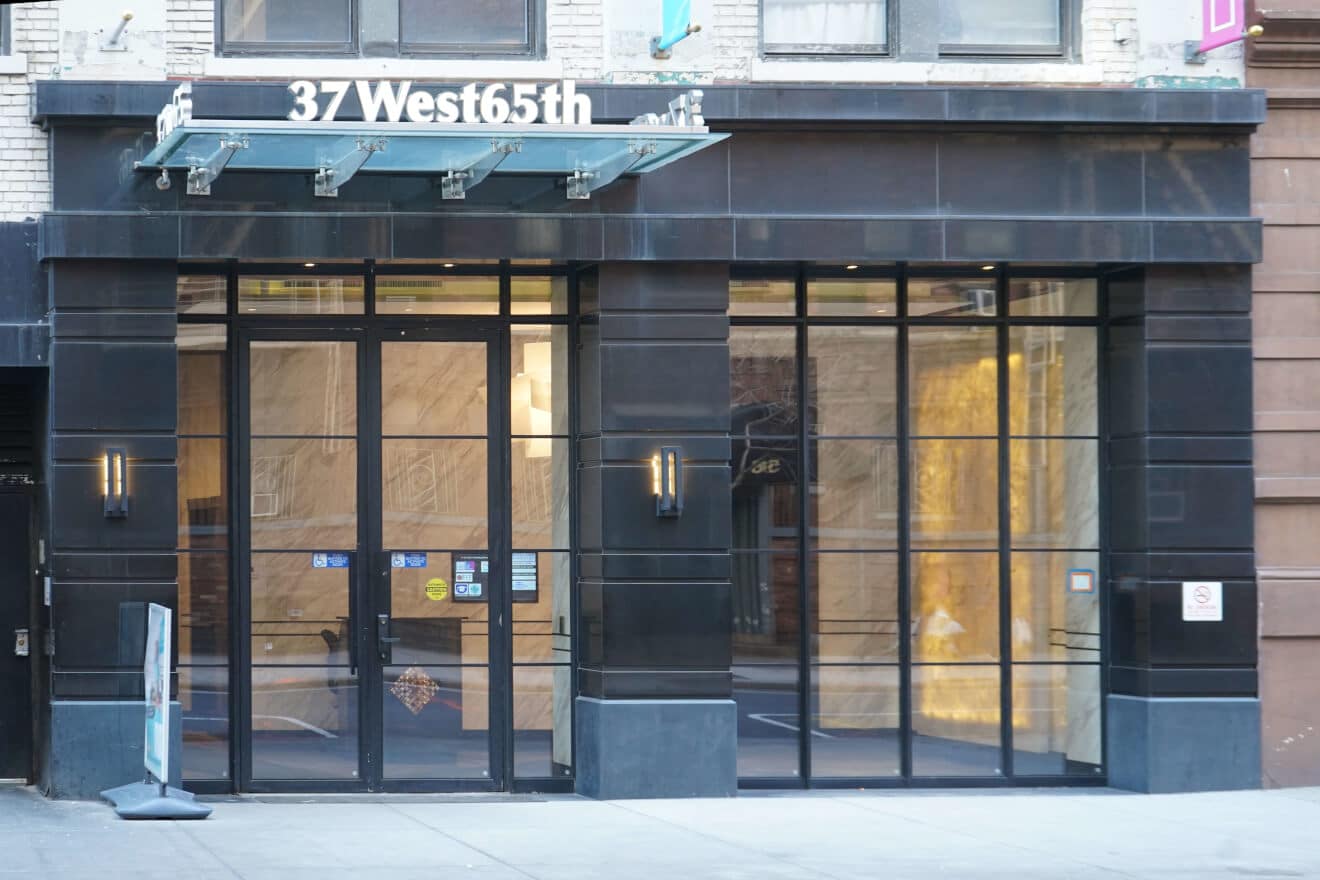
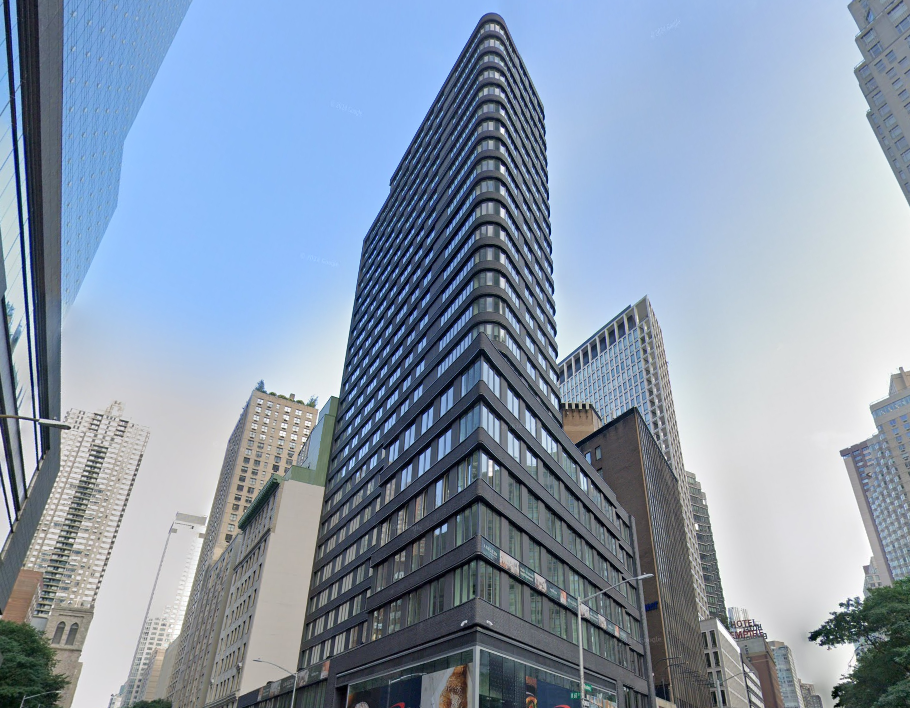
Class A: $55 to $68/SF (Metro Manhattan internal research, May 2026). Concentrated near Lincoln Center, Lincoln Square, and the Broadway corridor in the 60s and 70s. Manhattan Valley and Morningside Heights at the lower end. Buildings to know: 1841 Broadway and 37 West 65th Street.
Class B: $45 to $58/SF. Side streets in the 70s, 80s, and 90s; Amsterdam and Columbus. 246 West 80th Street is representative. Strong creative, academic, and professional tenancy. Lincoln Square energy without UES money.
Class C? Same story as UES: gone. Renovated up, residential conversions, or Columbia owner-occupier absorption.
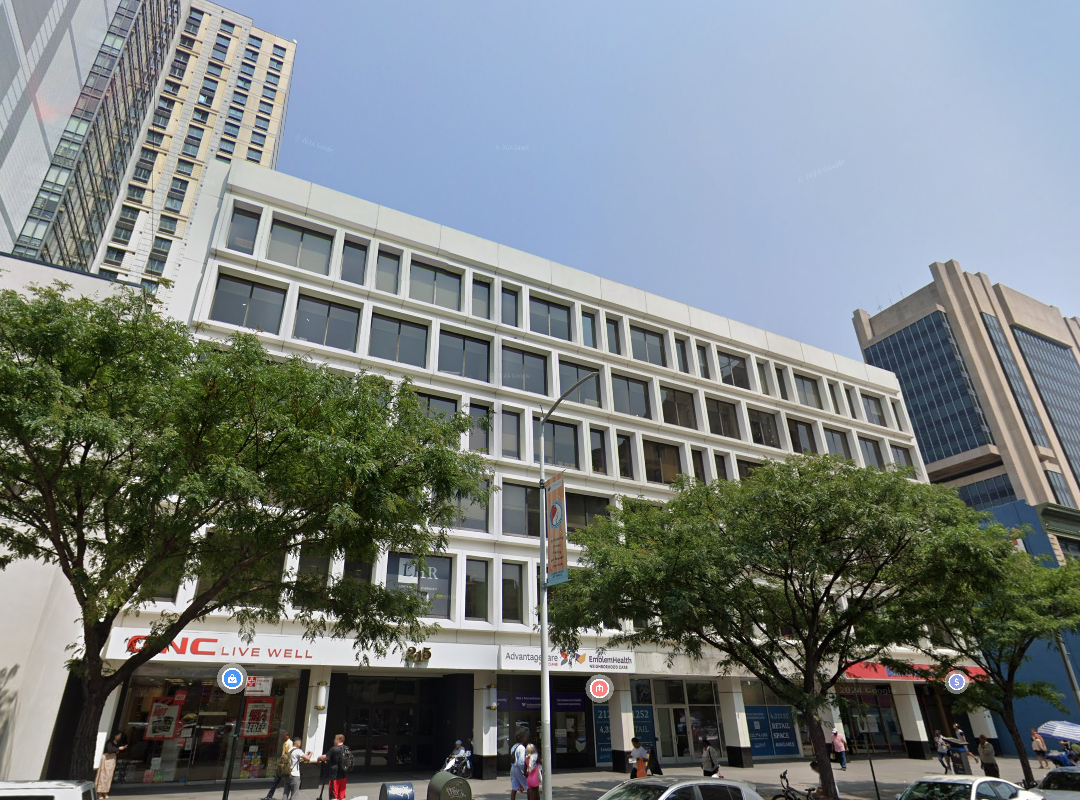
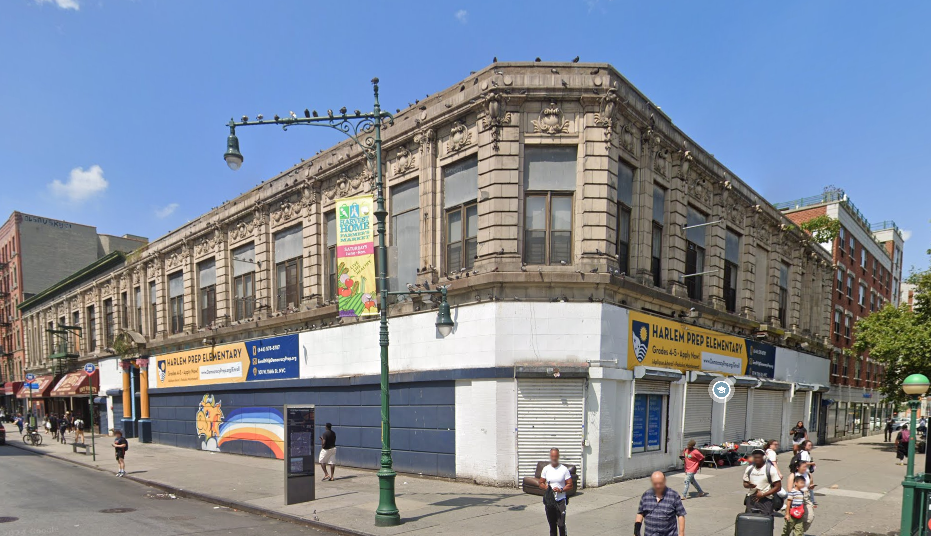
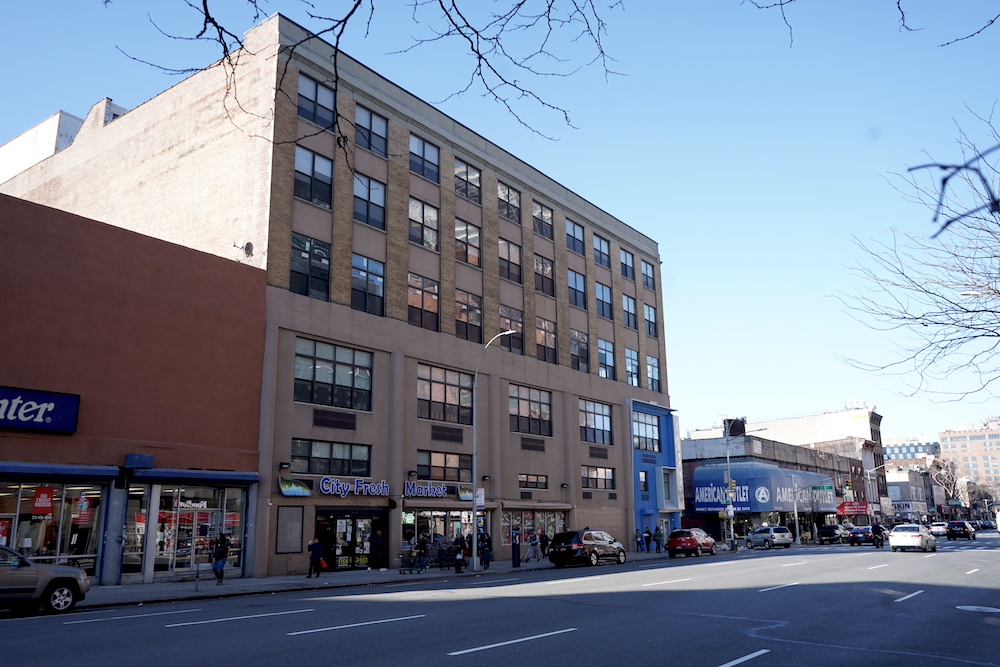
Class A: $48 to $60/SF (Metro Manhattan internal research, May 2026). On the 125th Street corridor: 215 West 125th Street and 55 West 125th Street. Strong cultural, nonprofit, healthcare tenancy. Aetna anchors 55 West 125th. Roughly half of Midtown Class A pricing. That’s a real story.
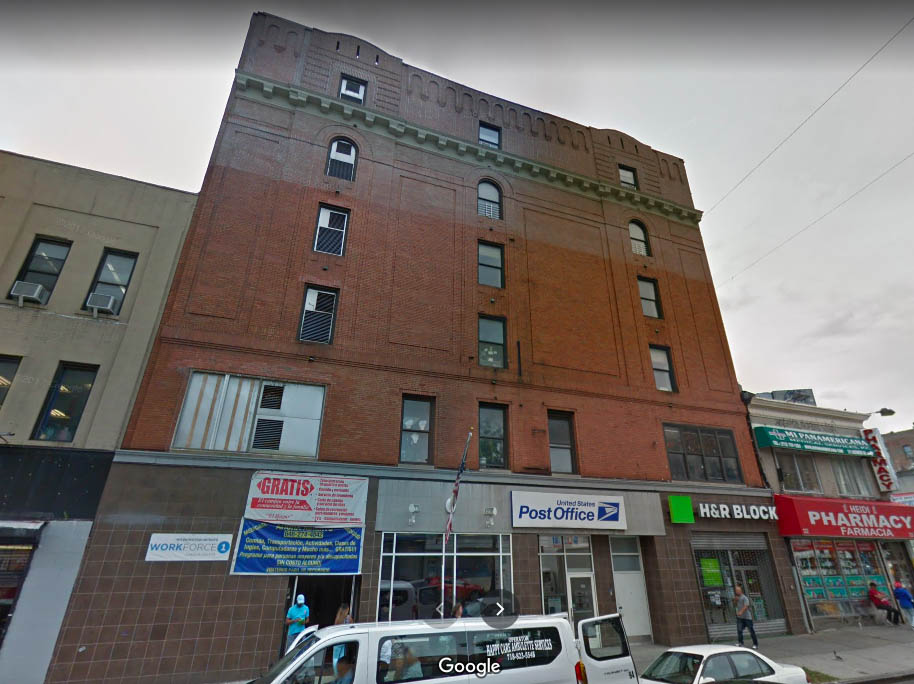
Class B: $38 to $48/SF. Central Harlem cross streets between Lenox and Adam Clayton Powell Jr. Boulevard. Examples: the Bernheimer Building at 101-111 West 116th Street and 2212-2224 Third Avenue in East Harlem. Nonprofits, healthcare, advocacy, small business.
Class C: $30 to $40/SF (Metro Manhattan internal research, May 2026). Older walk-ups, smaller elevator buildings, renovated mixed-use stock with ground-floor retail. Great fit for small business, early-stage startups, medical and dental, and anyone putting budget into people and product, not address. Harlem lands on our list of 5 top neighborhoods for small businesses in NYC for exactly this reason.
Very limited Class A. Class B: $35 to $48/SF (Metro Manhattan internal research, May 2026). Near the Columbia / NewYork-Presbyterian campus along Broadway and St. Nicholas. Medical office demand from the hospital campus drives most of the leasing. 516 West 181st Street is representative.
Class C: $28 to $38/SF. Older walk-ups and small elevator buildings. Strong demand from independent medical practices, nonprofits, and value-tier tenants serving the surrounding community. The lowest office rents in Manhattan are right here.
| Area / class | Free rent (typical) | TI allowance (typical) | Notes |
|---|---|---|---|
| Upper East Side Class A | 6 to 9 months free rent | $60 to $90/SF | |
| Upper West Side Class A | 8 to 12 months free rent | $55 to $80/SF | |
| Harlem Class A and Class B | 10 to 15 months free rent | $40 to $70/SF | Many landlords offer fully built-out spec suites or prebuilt offices |
| Washington Heights Class B and Class C | 10 to 14 months free rent | $35 to $60/SF | Spec suites and turnkey options widely available |
Concessions vary wildly by submarket, and most tenants don't realize the gap. UES and UWS are tighter than the Manhattan average (limited sublet, steady medical demand, strong landlord leverage). Harlem and Washington Heights are way more tenant-favorable. Ranges below are typical-market for 10-year direct leases (Metro Manhattan internal research, May 2026). (Not sure whether a 3-year, 5-year, or 10-year term is your play? Worth thinking through.) Final terms depend on landlord, credit, term length, and building. One thing worth knowing: UES and UWS concessions usually don't get meaningfully better past 7 years. Landlord leverage is strong, demand is inelastic.
Concessions vary wildly by submarket, and most tenants don’t realize the gap. UES and UWS are tighter than the Manhattan average (limited sublet, steady medical demand, strong landlord leverage). Harlem and Washington Heights are way more tenant-favorable. Ranges below are typical-market for 10-year direct leases (Metro Manhattan internal research, May 2026). (Not sure whether a 3-year, 5-year, or 10-year term is your play? Worth thinking through.) Final terms depend on landlord, credit, term length, and building. One thing worth knowing: UES and UWS concessions usually don’t get meaningfully better past 7 years. Landlord leverage is strong, demand is inelastic.
Our deeper look at rising landlord concessions walks through the math.
Four tenant buckets dominate Uptown: healthcare, professional services, nonprofits and advocacy, and cultural institutions. Match your industry to the right submarket and the search narrows itself. Healthcare and medical tenants should also browse our medical and healthcare offices vertical.
| Industry | Best-Fit Submarkets | Class Fit | Example Buildings |
|---|---|---|---|
| Medical / Dental Practices | Upper East Side, Washington Heights, East Harlem | Class A / Class B | 157 East 86th Street, 1556 Third Avenue, 30 East 60th Street, 516 West 181st Street, 2212-2224 Third Avenue |
| Boutique Finance / Wealth Management / Family Office | Upper East Side (Lenox Hill, Carnegie Hill) | Class A boutique | 30 East 60th Street, 55 East 59th Street, side-street buildings on Madison and Park |
| Cultural Institutions / Arts / Foundations | Upper West Side, Harlem | Class A / Class B | 1841 Broadway, 37 West 65th Street, 215 West 125th Street, 55 West 125th Street |
| Nonprofits / Advocacy / Social Services | Harlem, Upper West Side, Washington Heights | Class B / Class C | Bernheimer Building (101-111 West 116th), 2212-2224 Third Avenue, 246 West 80th Street |
| Diplomatic Missions / Consulates | Upper East Side | Class A boutique | Buildings in the East 60s and 70s near Central Park |
| Academic / Education | Upper West Side, Morningside Heights | Class A / Class B | Columbia-adjacent properties, 37 West 65th Street, 246 West 80th Street |
| Healthcare-Adjacent / Health Tech / Life Sciences | Upper East Side, Washington Heights | Class A / Class B | Buildings near Mount Sinai (Madison and Fifth in the 90s), Weill Cornell campus, Columbia / NYP campus |
| Professional Services (Legal, Accounting, Consulting) | Upper East Side, Upper West Side | Class A / Class B | 30 East 60th Street, 55 East 59th Street, 1841 Broadway, 246 West 80th Street |
| Small Business / Startups (<20 ppl) | Harlem (125th St corridor), East Harlem, Washington Heights | Class B / Class C | 215 West 125th Street, 55 West 125th Street, Bernheimer Building, 516 West 181st Street |
| Retail / Showroom | 125th Street corridor, Madison Avenue 60s to 90s | Madison Avenue ground floor, 125th Street corridor |
Source: Metro Manhattan internal research (May 2026).
Uptown skews boutique. No trophy floor plates. Smaller buildings, more character, amenity packages built for the actual tenants up here. Three tiers:
UES and UWS Class A boutique: Renovated lobbies with attended concierge, modernized mechanicals, ADA-compliant elevators (matters a lot for medical), keyed-floor security, walking-distance access to Central Park, the hospitals, or Lincoln Center.
125th Street corridor Class A: Modern floor plates, ground-floor retail, real amenity packages comparable to Midtown South, and adjacency to the cultural anchors (Apollo, Studio Museum, State Office Building).
Class B and Class C value tier across all four submarkets: Prewar character, 2,000 to 8,000 SF floor plates, attended or buzzer-entry lobbies, tenant-controlled HVAC, and increasingly common spec suites with furniture and IT preinstalled.
Uptown is dominated by small business, medical and healthcare practices, nonprofits, diplomatic missions, family offices, wealth managers, and Columbia-affiliated organizations. Anchor tenants: Aetna at 55 West 125th Street. Healthcare giants Mount Sinai, Memorial Sloan Kettering, Weill Cornell, NewYork-Presbyterian. Cultural anchors: the Apollo Theater and Studio Museum in Harlem. Academic anchors: Columbia University and Barnard College. For broader landlord context: biggest commercial real estate landlords in NYC.
Diplomatic missions cluster on the UES, supplementing the UN concentration in Midtown East. Medical and dental practices fill the boutique buildings around Mount Sinai (Madison and Fifth in the 90s), Lenox Hill (East 70s), MSK (East 60s), Weill Cornell (East 60s and 70s), and the Columbia / NYP campus in Washington Heights. Healthcare-adjacent? Your patients or partners are probably already here.
See all Uptown buildings or filter active listings by size and price.
Uptown ownership is fragmented. Mostly long-term family ownership groups, boutique landlords, healthcare and academic institutions (mostly owner-occupiers), and a thin slice of institutional players. Table below is a representative sample, not the full picture.
| Landlord | Notable Uptown Holdings | Approx. Uptown Portfolio | Typical Lease Profile |
|---|---|---|---|
| Columbia University (owner-occupier and landlord) | Morningside Heights campus and surrounding holdings, Washington Heights medical campus | Significant owner-occupier | Owner-occupied |
| Mount Sinai Health System (owner-occupier) | Upper East Side hospital and medical office campus, Mount Sinai Morningside, Mount Sinai Harlem | Significant owner-occupier | Owner-occupied |
| NewYork-Presbyterian / Weill Cornell (owner-occupier) | Upper East Side and Washington Heights medical campuses | Significant owner-occupier | Owner-occupied |
| Memorial Sloan Kettering (owner-occupier) | Upper East Side East 60s and 70s campus | Significant owner-occupier | Owner-occupied |
| Vornado Realty Trust | Selective Uptown holdings | ~1M SF Uptown | 10,000+ SF |
| SL Green Realty | Selective Uptown holdings | ~500K SF Uptown | 10,000+ SF |
| Boutique family-ownership groups | Most Upper East Side and Upper West Side side-street buildings | Highly fragmented | 1,000 to 10,000 SF |
| The Durst Organization | Selective Uptown holdings | Limited | 10,000+ SF |
| Janus Property Company / Carlton Associates | 125th Street corridor Class A holdings | ~1M SF Harlem | 5,000+ SF |
Portfolio figures are approximate. Most Uptown office space is owned by smaller boutique landlords and family-ownership groups not individually large enough to itemize. Healthcare and academic owner-occupiers control a meaningful share of the total Uptown office stock.
Uptown commuting is better than people think. 12 subway lines, Metro-North at Harlem-125th, multiple express buses, crosstown buses linking UES and UWS across Central Park. Specific address question? Run it through our Commute Calculator.
| From | To Uptown (UES 86th or UWS 79th) | Mode |
|---|---|---|
| Grand Central / Midtown East | 10 to 15 min | 4, 5, 6 to 86th |
| Times Square / Midtown West | 10 to 15 min | 1, 2, 3 to 79th |
| Penn Station | 15 to 20 min | 1, 2, 3 to 79th |
| Downtown Brooklyn | 30 to 40 min | 4, 5 to 86th |
| Williamsburg, Brooklyn | 35 to 45 min | L + 4, 5, 6 |
| Long Island City, Queens | 20 to 30 min | 7 + 4, 5, 6 transfer |
| Astoria, Queens | 25 to 35 min | N, W + 4, 5, 6 transfer |
| Westchester (White Plains) | 30 to 45 min | Metro-North to Harlem-125th |
| Stamford, CT | 50 to 60 min | Metro-North to Harlem-125th |
| Hicksville, Long Island | 45 to 60 min | LIRR to Grand Central Madison + 4, 5, 6 |
Uptown asking rents range broadly from roughly $28/SF for Class C inventory in Washington Heights to $88/SF for Class A boutique space on the Upper East Side (Metro Manhattan internal research, May 2026). Approved firms do not publish Uptown-specific quarterly office reports. Most Uptown lease transactions involve spaces under 5,000 SF in boutique buildings, with very limited inventory above 25,000 SF outside the major hospital and academic systems.
Washington Heights and Harlem are the most affordable Uptown submarkets and among the most affordable office submarkets in Manhattan overall (Metro Manhattan internal research, May 2026). Class B rents in Washington Heights typically run $35 to $48/SF. Class B rents in Harlem typically run $38 to $48/SF, with Class C inventory available at $30 to $40/SF.
The Upper East Side commands the highest Uptown rents, with Class A asking prices in the $70 to $88/SF range (Metro Manhattan internal research, May 2026). The most expensive blocks sit along Madison and Park Avenues from 59th to 79th Streets in Lenox Hill. Yorkville and Carnegie Hill sit slightly below at $62 to $75/SF.
Manhattan-wide availability fell to 13.7% in Q1 2026, the eighth consecutive tightening or stable quarter (Colliers, Q1 2026 Manhattan Office Market Report, April 8, 2026). Approved firms do not publish Uptown-specific availability figures. Metro Manhattan brokers report that Upper East Side and Upper West Side direct inventory has tightened materially over the past 12 months, while Harlem has more available inventory along the 125th Street corridor and in East Harlem (Metro Manhattan internal research, May 2026).
Uptown tenants are dominated by small businesses, medical and healthcare practices, nonprofits, diplomatic missions, family offices, wealth management firms, and Columbia-affiliated organizations. Notable Uptown tenants include Aetna at 55 West 125th Street in Harlem, Mount Sinai Health System, Memorial Sloan Kettering, Weill Cornell, NewYork-Presbyterian, Columbia University, and Barnard College. Independent medical and dental practices fill the boutique buildings around the major hospital campuses.
The vast majority of Uptown office inventory is not publicly listed. A broker provides access to spaces that never appear on public search platforms. Beyond access, an experienced broker knows which buildings offer the strongest concessions, which landlords will fund a build-out, and where asking rents have room to move. Brokerage commissions are always paid by the landlord. The cost to the tenant is zero.
The Upper East Side is the densest medical office market in Manhattan, anchored by Mount Sinai, Lenox Hill Hospital, Memorial Sloan Kettering, and Weill Cornell. Buildings like 157 East 86th Street, 1556 Third Avenue (Agora), and 30 East 60th Street carry deep medical tenancy with patient-friendly elevators and ADA-compliant suites. East Harlem and Washington Heights also have strong medical office demand tied to Mount Sinai Morningside, Mount Sinai Harlem, and the NewYork-Presbyterian / Columbia campus.
The Upper East Side is served by the 4, 5, 6 along Lexington Avenue and the Q on the Second Avenue Subway (72nd, 86th, and 96th Streets, opened January 2017). The Upper West Side runs on the 1, 2, 3 along Broadway and the A, B, C, D along Central Park West. Harlem is served by all of those plus Metro-North commuter rail at Harlem-125th Street, providing direct service to Westchester, Connecticut, and the Hudson Valley. Multiple crosstown bus routes connect the UES and UWS across Central Park.
Phase 1 of the Second Avenue Subway opened in January 2017, bringing Q train service to 72nd, 86th, and 96th Streets on the Upper East Side. Phase 2 extends the line three more stations north to 106th, 116th, and 125th Streets at Park Avenue in East Harlem. The project received full federal funding and is now under construction with completion targeted later in the decade. When complete, it will materially shorten East Harlem commute times and improve East Side access from northern Manhattan.
Concession packages on the Upper East Side and Upper West Side are tighter than the Manhattan average. Limited sublease inventory and steady medical and professional demand mean landlord leverage is strong. UES Class A leases typically include 6 to 9 months of free rent and $60 to $90/SF in tenant improvement allowances. UWS Class A leases typically include 8 to 12 months free rent and $55 to $80/SF TI. Harlem concessions are more tenant-favorable, with 10 to 15 months free rent and $40 to $70/SF TI commonly available (Metro Manhattan internal research, May 2026).
Uptown is the smallest of the four major Manhattan office submarkets, with roughly 3 to 4 million SF of leasable inventory compared to 242 million SF in Midtown, 70 million SF in Midtown South, and over 100 million SF Downtown (Metro Manhattan internal research, May 2026). Uptown asking rents run roughly half of Midtown averages, with no trophy office tier and minimal large-tenant leasing. The submarket is best-suited to small and mid-sized tenants, medical practices, nonprofits, and businesses prioritizing a residential-feeling location, proximity to Central Park, or access to the major hospital and academic ecosystems.
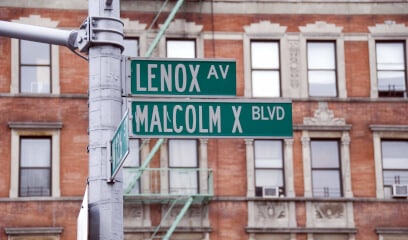
You've seen the rents and you're hunting for the catch. There is one, and it has nothing to do with the n...
Learn more about Harlem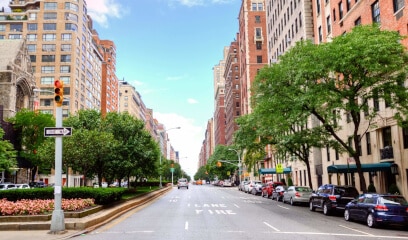
Nobody built the Upper East Side for offices. It's a residential neighborhood with five hospital systems ...
Learn more about Upper East Side
Most people who rent office space on the Upper West Side already live here. That isn’t a coincidence, a...
Learn more about Upper West SideAccessibility Tools