


Upgrade From Class C to Class A: The Power of High-End Office Furniture
Suppose your office space is functional yet drab, uninspiring, and a canvas of untapped potential.
Find our most popular listings from Midtown Manhattan, along with our in-depth real estate market analysis on the area.


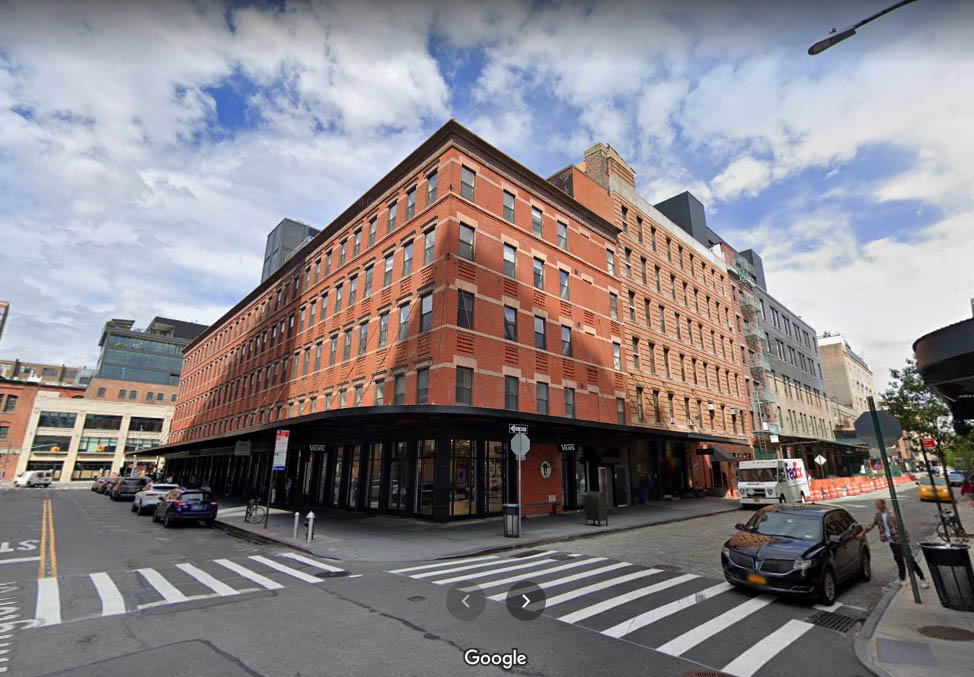
Manhattan has always handled demand the same way, which is by knocking something down and building it taller. The Meatpacking District got a written exemption from that in 2003, when Landmarks froze eleven blocks of warehouses and cobblestones.
Everybody who leases here has been paying for the exemption ever since. Yet they keep paying anyway.
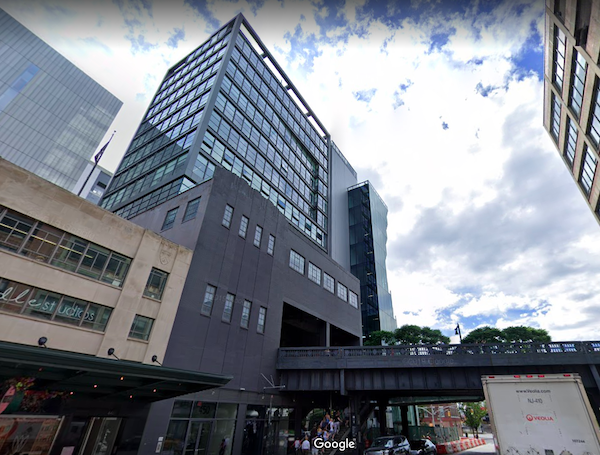
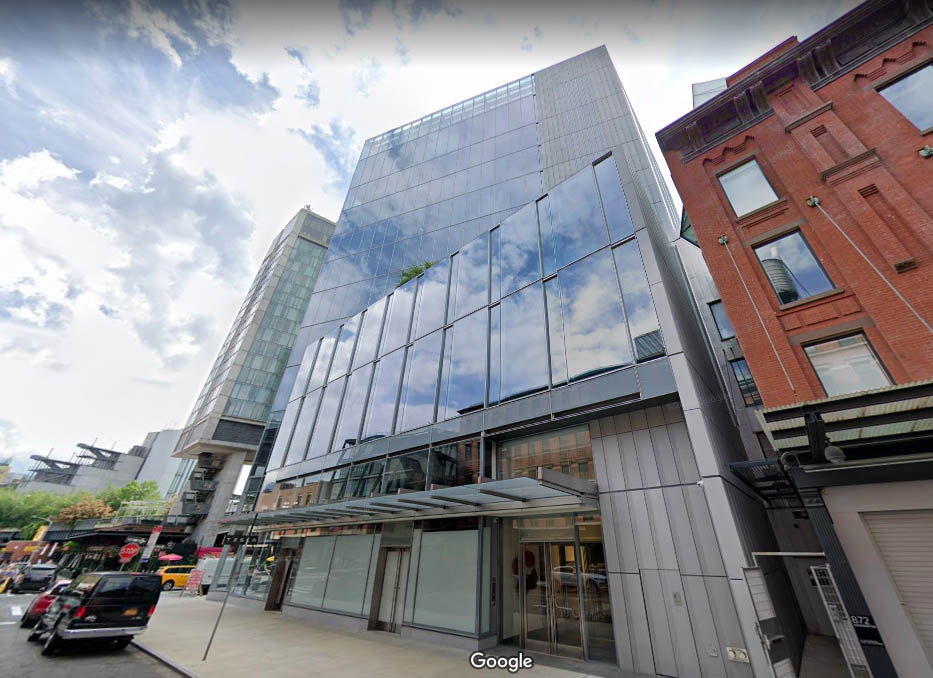
Bilt just took 58,000 feet at 837 Washington on a fifteen-year deal, in the glass box where Samsung used to run its flagship. Delos, SoFi, Alibaba, and a Tesla showroom fill 860 Washington. Starwood sits under eighteen-foot ceilings in Jeanne Gang’s tower on the High Line.
None of them got a bargain, either. Meatpacking District office space asks $104.81 a foot, the highest in Midtown South and within two and a half percent of the Plaza District.
Naturally, that number can seem intimidating. But it shouldn’t. This is nine blocks pretending to be one market, and the price swings hard across them. On the High Line you’ll pay $120 to $200 and be grateful for the chance. Two blocks east, the loft stock on 13th and 14th rents in the eighties.
Same subway. Same four-minute walk. A third off the invoice.
Knowing where the glass ends and the warehouses start is the whole job here, and it’s what we do all day. If you’d rather see the open listings before you read another word, start there.
The freeze is only half of what’s going on here, and it’s the half everybody already knows about.
Supply has been stuck at 1.66 million square feet since the designation went through, spread across eleven blocks of 1880s-to-1930s industrial buildings. Nothing is under construction and nothing is planned, which in this neighborhood is a permanent condition rather than a market cycle.
Demand kept showing up regardless. Midtown South availability dropped to 16.9% with rents parked near record highs, and Manhattan just closed its strongest first half of leasing since 2002, 22.8 million square feet, availability down to 13.0% (Colliers, Q2 2026).
In a neighborhood that can’t add a floor, that pressure has exactly one outlet. Availability here collapsed from a post-pandemic peak of 28.1% to 9.2%, an 1,890-basis-point swing and the steepest in Midtown South, and it happened while everyone was busy watching the AI money pile into Park Avenue South.
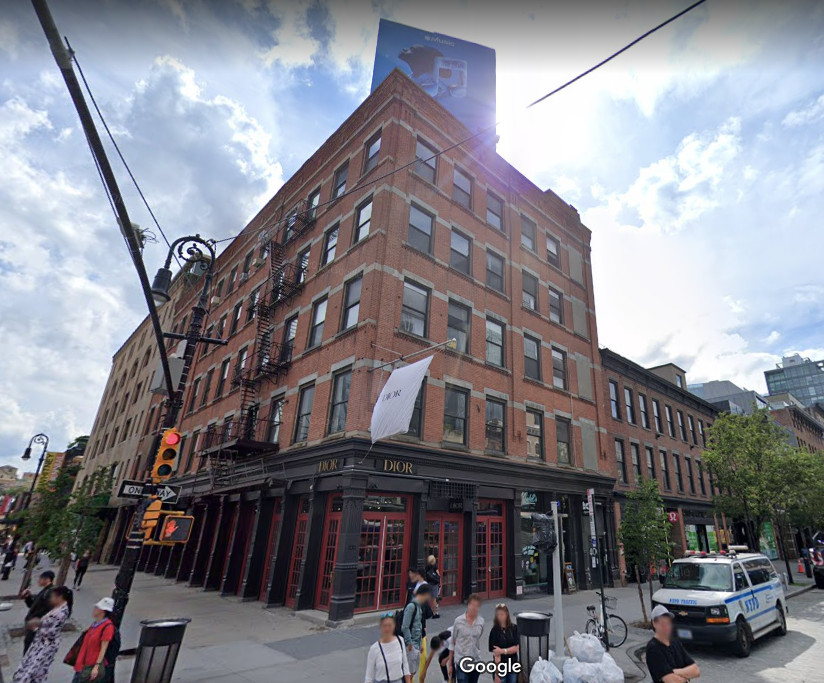
Here’s the other half, the one that isn’t in anybody’s quarterly report. Everywhere else in Manhattan, tired office floors are turning into apartments. Here they’re turning into stores and private clubs, because retail on Gansevoort asks $500 to $700 a foot and office asks $105. Office loses that fight every time.
That second one closed a deal this week, so you can watch it happen in real time. Aurora Capital sold 675 Hudson Street for $100 million. It’s the skinny 1849 triangle where Ninth Avenue cuts across Hudson, oldest industrial building in the district, older than the Flatiron by fifty years.
Aurora paid $50 million for it in 2023. The buyer’s Caprice Holdings, who run Annabel’s in London, and four floors of office are coming out so a members’ club can go in. That’s assuming Landmarks blesses a curved glass rooftop Village Preservation is trying to kill.
Call it 40,000 feet walking out of a market that only has 1.66 million to start with. One deal, 2.4% of the neighborhood’s office supply, and it won’t be the last.
That’s the pattern to watch here, not the conversion pipeline everyone downtown’s arguing about. Our breakdown of which buildings convert next maps the residential version, and that’s a real story. It just isn’t this one.
Ask about most Manhattan neighborhoods and the answer is a range wide enough to drive a truck through, because there’s cheap space and expensive space sitting on the same block. Not here. Newmark has this submarket at $104.81 total and $105.80 direct, and a gap that thin means the cheap space is already gone.
It went years ago, leased or converted or turned into a storefront, and nothing has come along to replace it.
The usual escape hatch is shut, too. Manhattan sublets ask $57.51 against $82.54 direct, so normally you’d save twenty-five bucks a foot inheriting somebody else’s carpet. Here they ask $89.00, which is what direct space costs across the rest of Midtown South.
So the map runs like this. Glass on the High Line, $120 to $200 for a good floor. Converted loft on 13th and 14th, eighties and nineties. Small boutique floors have been signing in the mid-seventies.
Which makes the decision simpler than most tenants make it. Chelsea’s four blocks north, has ten times the options, and runs about twenty dollars a foot cheaper. What that twenty dollars buys you is the Whitney at the end of your block and the High Line over your head.
Plenty of businesses should pay it. Others fall for the address first and spend the next month building the business case backwards. Run your headcount through our office space calculator before you fall for a floor.
| Area | Class A Profile | Class B / C Coverage | Availability | Typical SF | Tier |
|---|---|---|---|---|---|
| High Line corridor (Tenth Ave and Washington St) | New-build boutique Class A (40 Tenth, 860 Washington, 837 Washington), $120 to $200+/SF on the best floors | Almost none | Very tight; near zero on the top floors | 5,000 to 60,000 SF | Trophy / A |
| West 13th and West 14th Street | Repositioned Class A inside converted warehouses, $85 to $110/SF | Deep Class B loft, the largest pool here | About 8 to 12% | 2,000 to 25,000 SF | Class A / B |
| Gansevoort and Little West 12th | Limited | Class B and C boutique, smallest floors, $70 to $95/SF | About 8 to 12% | 1,000 to 10,000 SF | Class B / boutique |
| Ninth Avenue and Hudson Street | Select Class A (61 Ninth, fully leased) | Class B loft over retail | Effectively nil in the Class A | 2,500 to 25,000 SF | Class A / B |
| West 15th Street and the Chelsea line | Class A (412 and 430 West 15th) | Class B loft | Wider; tracks Chelsea at 19.2% | 3,000 to 100,000 SF | Class A / B |
| Meatpacking submarket (context) | $105.80 direct / $104.81 total | $89.00 sublet | 9.2% | Varies | Mixed |
| Midtown South (context) | $90.23 direct / $88.32 total | $74.04 sublet | 16.9% | Varies | Mixed |
Meatpacking submarket figures ($105.80 direct, $104.81 total, $89.00 sublet, 9.2% availability, 1,657,047 SF inventory) and Midtown South figures ($90.23 direct, $88.32 total, $74.04 sublet, 16.9% availability) from Newmark, 1Q26 (April 15, 2026). Chelsea availability (19.2%) from the same report. Cushman & Wakefield puts Midtown South Class A at $104.50/SF and the district overall at $81.14/SF in its 2Q26 MarketBeat (July 13, 2026); CBRE tracked the district at $84.77/SF in May 2026. The firms count Midtown South differently, which is why the averages differ. Area-level profiles, coverage, and availability ranges are Metro Manhattan internal research (July 2026); no brokerage publishes per-block breakouts inside a submarket this small. Rents are asking rents, before concessions.
Class A here comes down to three buildings, and that is the entire list rather than a shortlist.
40 Tenth Avenue’s the one that ends up on Instagram. It’s Jeanne Gang’s first New York building, ten stories of faceted glass cut back on the diagonal so it won’t throw shade across the High Line.
The tower floors run close to eighteen-foot ceilings, tallest in the district and taller than most new construction anywhere. Aurora and William Gottlieb built it, hung 20,000 feet of outdoor space off it, and put Genesis in the base.
860 Washington’s quieter, and floor for floor I think it’s the better building. James Carpenter drew it as a parallelogram so it tracks that same High Line diagonal, then shoved the core to the north edge, which leaves the floors column-free behind the glass. Delos, Alibaba, SoFi, and a Tesla showroom fill it.
837 Washington’s the six-story glass box torqued on top of a 1930s warehouse. Samsung had it for years, and Samsung’s gone. Bilt signed fifteen years on 58,000 feet, moved in this year, put a café on the ground floor. Nuveen collects.
Those three are the whole Class A conversation. If you’re trying to tell a real trophy from a building that just prices like one, our guide to what separates trophy buildings is worth twenty minutes, and our list of the best Class A towers in Midtown shows what the same money buys uptown.
Take those three out and everything left is a converted warehouse, which suits most tenants better anyway, since the warehouses are why anybody wanted this neighborhood in the first place.
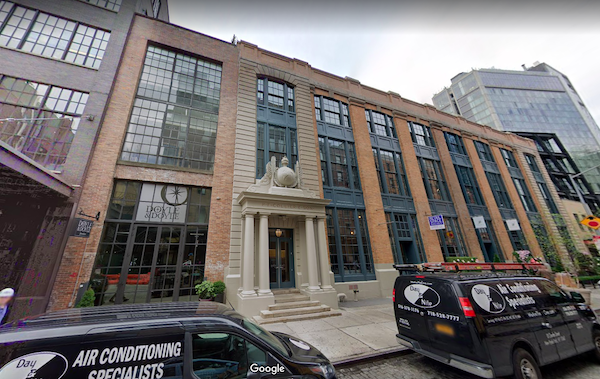
The stock on 13th and 14th is what people mean when they say they want a New York loft. Timber and steel, windows the size of garage doors, and ceilings that make a 3,000-foot floor feel like 5,000.
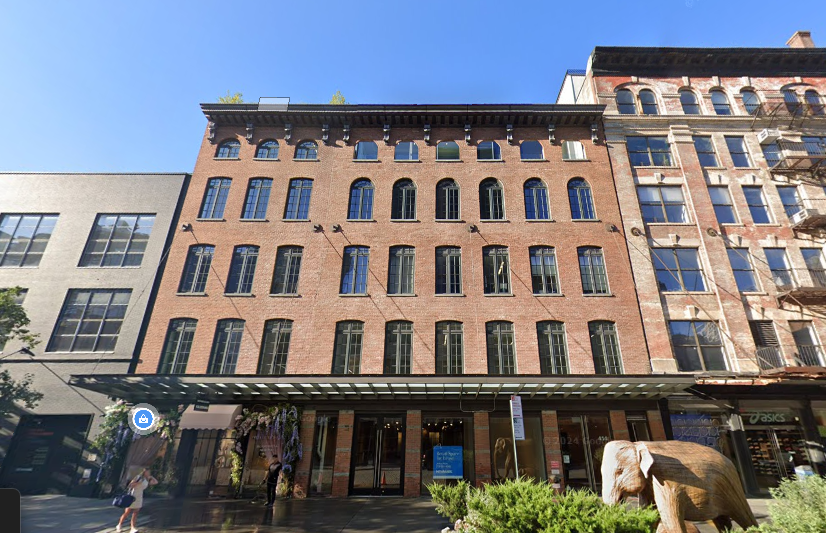
416 West 13th is the building to study. Greenway Mews owns the 144,000-foot neoclassical property, and Avison Young leased 62,364 feet across eight deals in six months to fill it. Kalshi took 18,685, with Fundbox and Fragment in behind.
Across the street, 410 West 13th sold in January for $71 million. That’s $888 a foot, for a five-story loft. TPG Angelo Gordon bought it with Aurora, their first buy here, and Match Group, Red Bull, and Kimmeridge are already inside. CoStar puts the rents at $82 to $100.
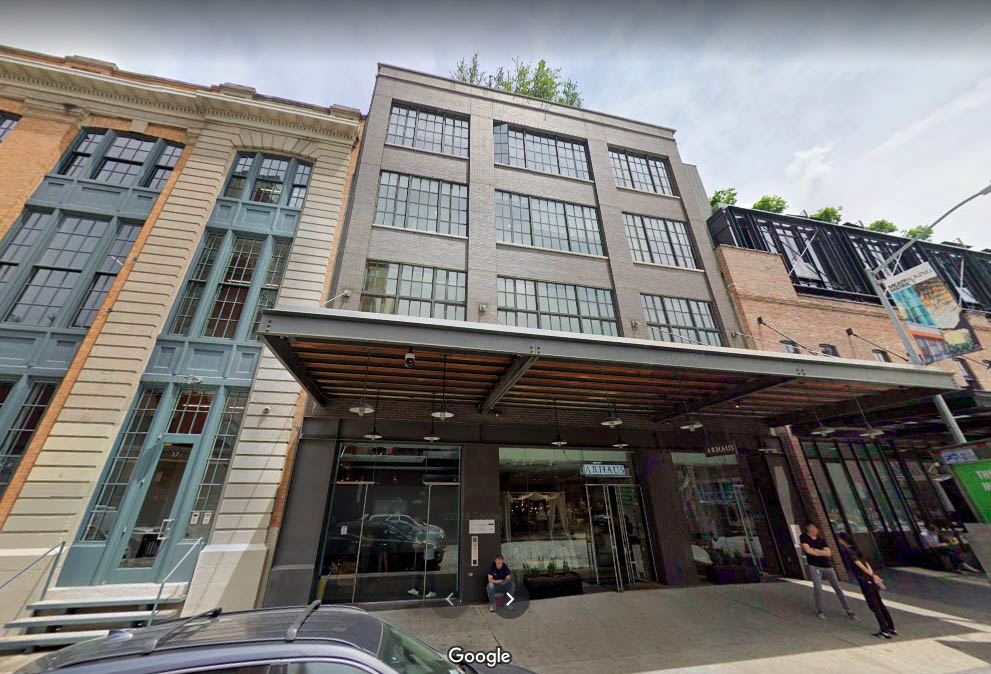
Both of those buildings are Class B on paper, which is worth ignoring. A loft on West 13th will out-ask a Class A tower across half of Midtown, because what you’re buying is ceiling height, daylight, a floor plate that works, and the address, none of which is what the appraiser was measuring.
It’s the same loft stock pulling tenants into SoHo and Chelsea, usually for less, and our guide to what Class A, B, and C actually mean explains why the letters mislead. Two buildings on one block will quote you wildly different numbers, so go walk both.
There isn’t much, and it’s better to hear that now than after a month of looking. The real bargains left around the time the Whitney opened.
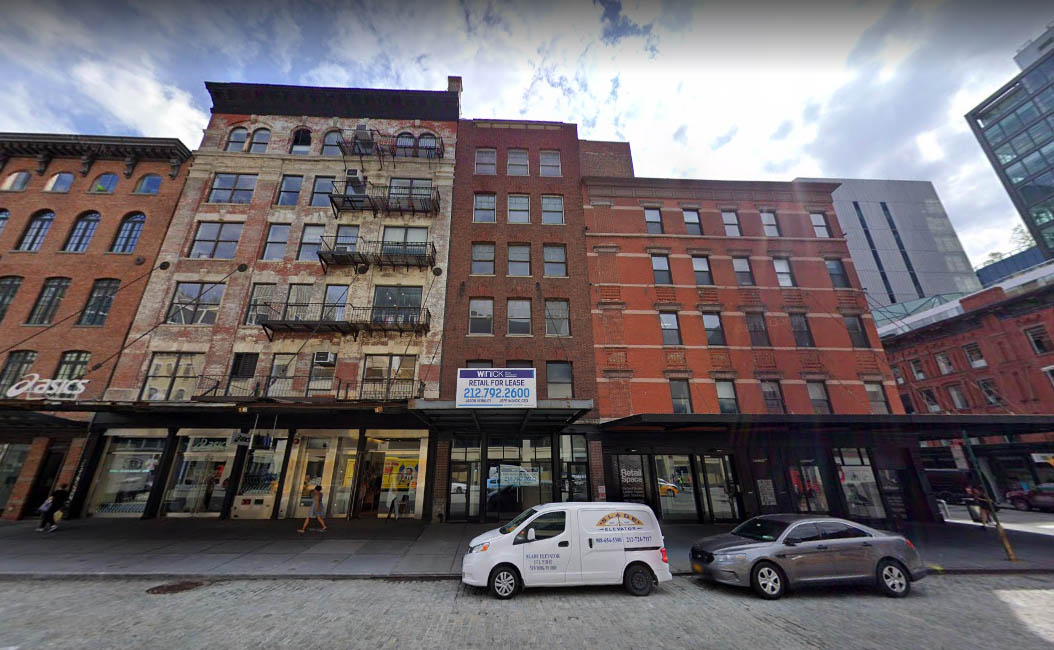
What passes for value now is a small floor on Little West 12th, or a walk-up over a restaurant on Gansevoort, and those go fast. Bond Aviation took 4,916 feet at 22 Little West 12th this spring, five-year deal, taking rent in the mid-seventies. For a boutique floor in a landmark district, that’s fair.
A couple of warnings before you chase one. Nobody publishes a Class C average for a submarket this small, so when a landlord hands you one precise number like it settles the matter, ask him where he got it. The cheap floors are also exactly what the retail money wants, which is why they keep vanishing.
So if budget is really deciding this, Chelsea is the better call, or Downtown at $62.81 a foot, rather than signing something here you’ll resent by year three. The Financial District towers are newer for the money, whatever else you make of them.
Most tenants spend six weeks fighting over the asking rent, win four dollars a foot, then wave through the two terms that actually decide what they pay: the free months and the build-out money.
Both have moved against you. Manhattan free rent averaged 12.4 months in the first half of 2026, lowest since 2019, and improvement allowances flattened around $140 a foot (Colliers, Q2 2026). At 9.2% availability, expect less than that here.
Roughly where recent deals have landed on five- and ten-year terms. Shorter terms earn less, longer ones earn more:
| Building class | Free rent (typical) | TI allowance (typical) | Notes |
|---|---|---|---|
| New-build Class A (40 Tenth, 860 Washington, 837 Washington) | 6 to 10 months free | Solid improvement dollars | The thinnest package in the district, because nothing's forcing their hand. |
| Repositioned loft on 13th and 14th | 8 to 12 months free | Real allowances | The sweet spot if you can live with a ten-year term. |
| Boutique floors on Gansevoort and Little West 12th | 10 to 14 months free | Often prebuilt | A lot of it comes prebuilt, so you're working on day one instead of month nine. |
Settle both of these before you sit down. Your effective rent lands well under the face rent once you count those free months, which our breakdown of landlord concessions works through properly. A build-out check, meanwhile, is only worth whatever it actually pays to build.
So settle who’s covering the build-out before anybody starts throwing numbers around. If the length of the term is what’s hanging you up, our guide to three, five, and ten-year leases lays out the tradeoffs, and the clauses worth fighting over covers the rest.
The AI companies went to Park Avenue South and Flatiron and are barely represented on these blocks. What leases here instead is consumer brands, media, fashion, and one specific kind of finance: the funds and family offices that would rather be seen anywhere but Park Avenue.
The sorting’s pretty clean. New buildings take the headquarters, lofts take the creative shops and the growing tech companies, and the small floors on the cobblestones take the boutiques. Find your row below and you’ve cut the search down before you’ve toured anything.
| Industry | Best-Fit Areas | Class Fit | Example Buildings |
|---|---|---|---|
| Consumer Brands / Fintech HQ | High Line corridor, Washington Street | Trophy / A | 837 Washington (Bilt), 860 Washington (SoFi, Alibaba) |
| Financial Services / PE / Family Offices | High Line corridor, West 13th | Trophy / A | 40 Tenth (Starwood), 416 W 13th (Kalshi), 410 W 13th (Kimmeridge) |
| Technology / SaaS | Ninth Avenue, West 13th, Washington Street | Class A / B | 61 Ninth (Yext), 416 W 13th (Fundbox, Fragment) |
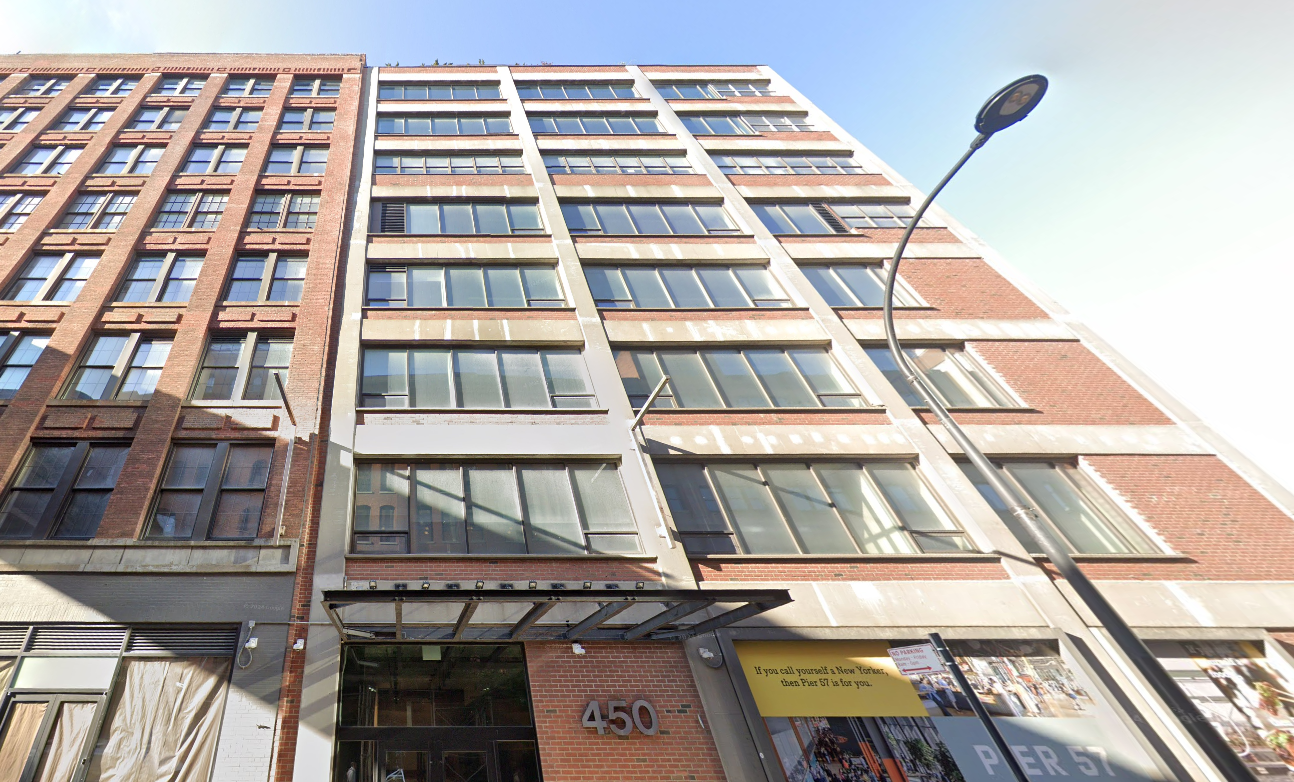
| Media / Entertainment / Music | West 15th, the West 14th loft blocks | Class A / B | 430 W 15th (Live Nation), 450 W 14th (High Line Building) |
| Fashion / Design / Creative | Gansevoort, Little West 12th, W 13th lofts | Class B / boutique | 13-15 Little West 12th, Gansevoort Row buildings |
| Wellness / Health Tech | Washington Street | Class A | 860 Washington (Delos) |
| Consumer Apps / Marketplaces | West 13th, Washington Street | Class A / B | 410 W 13th (Match Group), 837 Washington |
| Boutique Finance / Advisory | Little West 12th, Gansevoort | Class B / boutique | 22 Little West 12th (Bond Aviation), 875 Washington |
| Law Firms (boutique and midsize) | Ninth Avenue, West 14th | Class A / B | 61 Ninth, the W 14th Street run |
| Startups / Small Teams (under 20) | Little West 12th, Gansevoort, W 14th | Class B / C | Boutique floors and prebuilt suites |
| Retail / Showroom / Flagship | Gansevoort Row, Ninth Ave, W 14th | Ground floor | Gansevoort Row, 21-27 Ninth Ave, 675 Hudson |
Industry and class fits are Metro Manhattan internal research (July 2026). Vertical landing pages: Financial Services, Law Firm Offices, Startup & Tech Space, Medical & Healthcare Offices, Retail/Stores.
Small teams should know up front that this is not where anybody saves money. The cobblestone floors are more within reach than the High Line headlines suggest, though, and they come prebuilt more often than you’d guess, which matters a lot when you’re paying for the build yourself.
If you’re still weighing neighborhoods, our guide to the best NYC areas for small businesses is a sane place to start. If you’re finally trading a coworking membership for a space of your own, we walked through how to make that leap without regretting it.
Two things here you can’t buy anywhere else at any price: the High Line running over your building, and the Whitney at the end of your street.
Which makes the amenity conversation here a strange one, because almost none of the amenities are inside the buildings.
No tenant lounge is going to beat Little Island. No cafeteria’s beating Market 57 out on Pier 57, or the roof at RH, or Pastis at seven on a Thursday. The neighborhood is the amenity package. That’s lovely for you, and it’s also why the landlords can be tight with everything else and get away with it.
It breaks into three tiers.
New-build Class A: 40 Tenth, 860 Washington, and 837 Washington. Ten stories or fewer, modern systems, private terraces, roof decks over the park, floor plates running 5,000 to 20,000 feet. Top of the district, no qualifier needed.
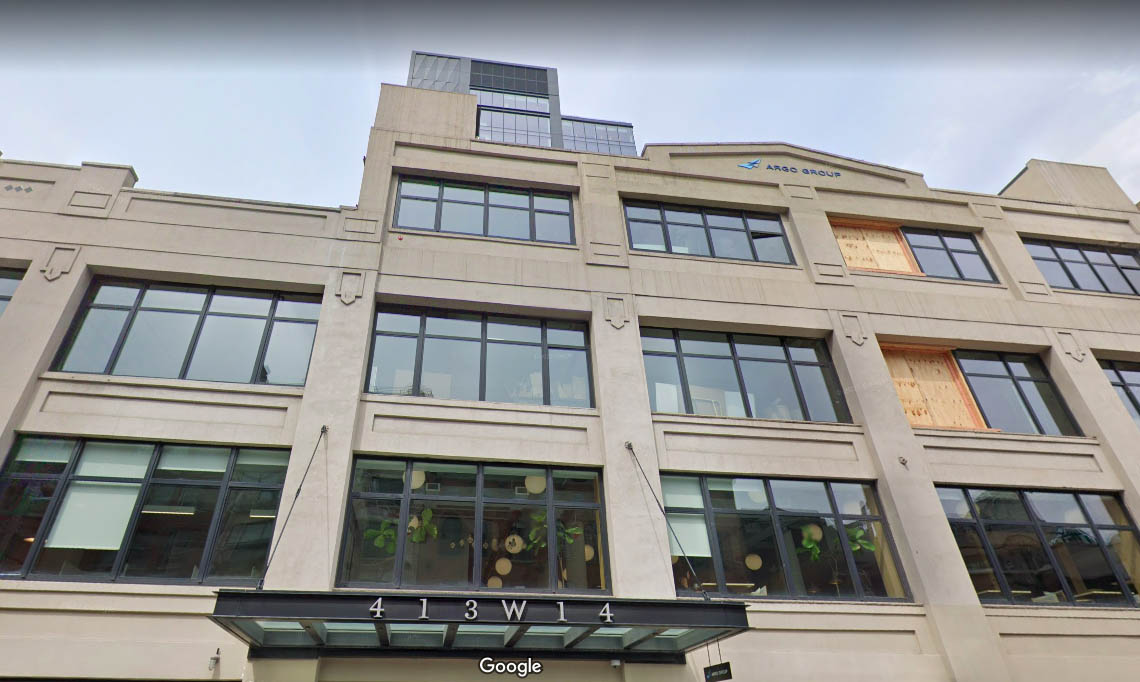
Repositioned loft: 410 and 416 West 13th, and the West 14th Street run. Timber and steel, big windows, attended lobbies, and a growing pile of prebuilt suites. Better bones than the new stuff at a real discount, which is where most searches should start.
Boutique and cobblestone: Little West 12th, Gansevoort, 875 Washington. Small floors, low ceilings in spots, enormous character, and the best retail in New York waiting downstairs. A five-person firm can still plant a flag here, which isn’t true of much else in the neighborhood.
See all Midtown South buildings, or filter live listings by size and price.
In most neighborhoods you’re negotiating with a REIT and a leasing committee. Here you’re negotiating with two families.
Aurora Capital and William Gottlieb Real Estate own most of these blocks between them. Bobby Cayre started Aurora in 2001 chasing high-street retail and wound up with 150-plus properties and a book north of $5 billion. The Gottliebs have been buying downtown quietly since before most of the tenants here were born.
Neil Bender describes their approach as long-term, generational holding, and he isn’t posturing. Neither family is distressed, neither one needs your deal, and both have watched a hundred tenants run the play you’re about to run.
The institutions around them are just as comfortable. Vornado’s in a JV with Aurora at 61 Ninth, Nuveen has 837 Washington, Meadow Partners has 860, and TPG Angelo Gordon bought in this January at $888 a foot, which is not a distress price.
So what a tenant broker’s actually worth here is narrow and specific: knowing which of those owners deals straight and which one grinds you to the last dollar. That’s not on a listing site. Our rundown of the biggest landlords in NYC covers the wider field.
| Landlord | Notable Properties Here | Approx. Portfolio | Typical Lease Profile |
|---|---|---|---|
| Aurora Capital Associates | 40 Tenth Ave (with Gottlieb), 61 Ninth (with Vornado), 410 W 13th (with TPG), Gansevoort Row, 21-27 Ninth Ave | 150+ properties, $5B+ nationally; among the largest owners here and in SoHo | Boutique office and high-street retail, 2,500+ SF |
| William Gottlieb Real Estate | 40 Tenth Ave ground lease, Gansevoort Row, deep West Village and Meatpacking holdings | 90+ properties downtown | Long-hold loft and mixed-use, 1,000+ SF |
| Vornado Realty Trust | 61 Ninth Avenue (45.1% JV interest) | ~20M SF across Manhattan | Class A, 10,000+ SF |
| Nuveen | 837 Washington Street | Global institutional book | Class A, headquarters and single-tenant deals |
| Meadow Partners | 860 Washington Street | ~113K SF here; larger internationally | Class A, 2,500+ SF |
| TPG Angelo Gordon | 410 W 13th Street (with Aurora) | First Meatpacking asset; large national platform | Boutique Class A / B, 2,500+ SF |
| Greenway Mews Realty | 416 W 13th Street | ~144K SF here | Class B loft and prebuilts, 2,000+ SF |
Portfolio figures are approximate; several of these owners hold much larger books outside the district. Ownership and management change, so confirm at lease time. Metro Manhattan internal research (July 2026).
Here’s the version you’d work out on your first tour anyway. The transit’s good, not great, and which one you get depends entirely on where you land in these nine blocks.
The 14th Street–Eighth Avenue station carries the A, C, E, and L, and it’s excellent. The Village, Brooklyn, Midtown, Port Authority, all of it without a transfer. If your building’s on Ninth Avenue or Hudson Street, you’re two minutes from the turnstile.
Walk west toward the river and that advantage evaporates. From 40 Tenth Avenue or Pier 57 you’re ten to twelve minutes back to that station, in whatever weather February hands you. Colliers noted this quarter that buildings more than a ten-minute walk from a subway run 31.2% availability.
Commuter rail’s the other thing nobody raises on a tour. Penn’s a trek and Grand Central’s worse, so if half your team rides Metro-North this becomes a standing agenda item. Settle it with our commute calculator and everybody’s home address first.
| From | To Gansevoort and Ninth | Mode |
|---|---|---|
| West Village | 5 to 10 min | Walk, or the 1 to Christopher Street |
| Union Square | 8 to 12 min | L to Eighth Avenue |
| SoHo | 10 to 15 min | C or E to 14th Street |
| Penn Station | 15 to 20 min | A, C, or E downtown |
| Financial District | 20 to 25 min | A or C from Fulton Street |
| Grand Central | 20 to 28 min | 4, 5, or 6 to Union Square, then the L |
| Hoboken, NJ | 20 to 30 min | PATH to 14th Street |
| Downtown Brooklyn | 25 to 35 min | A or C |
| Newark, NJ | 35 to 45 min | PATH to 14th, or NJ Transit to Penn plus the A/C/E |
| Stamford, CT | 75 to 90 min | Metro-North to Grand Central, then the crosstown L |
The submarket asks $104.81 a foot overall and $105.80 direct, highest in Midtown South (Newmark, 1Q26). The glass buildings on the High Line want $120 to $200 for a good floor, the converted lofts on 13th and 14th sit in the eighties and nineties, and small boutique deals have been signing in the mid-seventies.
Because the supply is frozen. Landmarks designated the Gansevoort Market Historic District in 2003, so nothing new gets built here, ever. Newmark counts 1,657,047 square feet with zero under construction. Demand kept climbing against a fixed pile of old buildings, and the rent absorbed all of it.
About 1.66 million square feet, which makes it the smallest of the nineteen Manhattan submarkets Newmark tracks. The next one up, Tribeca and City Hall, is nearly four times bigger. One Vanderbilt on its own holds more office space than this entire neighborhood.
9.2% (Newmark, 1Q26), lowest in Midtown South and third-lowest in Manhattan behind Hudson Yards and Park Avenue. It peaked at 28.1% after the pandemic, so that’s an 1,890-basis-point recovery, steepest in the district. In practice you’re choosing from roughly 150,000 square feet on any given day.
That was a Commercial Observer headline back in 2018, and it more or less came true. The Plaza District asks $107.38, Meatpacking asks $104.81 (Newmark, 1Q26), so the gap is about two and a half percent. Meatpacking is tighter, too, 9.2% availability against the Plaza District’s 12.5%.
The boutique floors on Little West 12th and Gansevoort, plus the smaller loft space along West 14th. A lot of those landlords keep prebuilt suites, so a small team can sign and move quickly. If price is what’s driving you, Chelsea, Flatiron, and Downtown all run meaningfully cheaper.
The three new-build Class A buildings: 40 Tenth Avenue, 860 Washington, and 837 Washington. Bilt took 58,000 feet at 837 on a fifteen-year deal, Delos and SoFi anchor 860, and Starwood sits in 40 Tenth. All three have modern systems and private outdoor space, which is genuinely rare downtown.
No, and it catches people off guard. Meatpacking sublets ask $89.00 a foot against a Manhattan sublet average of $57.51 (Newmark, 1Q26). A sublease here costs roughly what direct space costs across the rest of Midtown South. Citywide sublet supply also shrank 22% last year, so the pool keeps thinning.
Aurora Capital sold the 1849 triangle building at Ninth Avenue in July for $100 million to Caprice Holdings, which plans the New York outpost of Annabel’s, the London members’ club. Aurora paid $50 million in 2023. The plan includes a curved glass rooftop that needs Landmarks approval, and Village Preservation is opposing it.
Price and size, mostly. Chelsea holds 28.6 million square feet at $84.71 a foot and 19.2% availability. Meatpacking holds 1.66 million at $104.81 and 9.2% (Newmark, 1Q26). Chelsea gives you options, Meatpacking gives you scarcity. The boundary confuses everybody because the Business Improvement District reaches north to 17th Street.
The 14th Street–Eighth Avenue station carries the A, C, E, and L, and it covers most of the district. The 1, 2, 3, F, and M plus PATH sit a few blocks east at Sixth and Seventh. The catch is the western end, where the walk back from Tenth Avenue runs ten minutes or more.
In a market with roughly 150,000 square feet available, yes. The good space here rarely reaches a listing site, and the owners are long-hold families who have seen every move. The landlord pays the commission, so it costs you nothing. Read our notes on the essentials to ask before leasing and key lease terms first.
Accessibility Tools